Introduction to ductless mini-split air conditioning systems
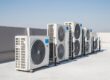
Ductless mini-split air conditioning systems are a popular choice for many homeowners. These systems provide efficient cooling without the need for ductwork, making them an ideal solution for both new constructions and retrofitting older homes. They consist of two main components: an outdoor unit and one or more indoor units connected by refrigerant lines.
The indoor units of a ductless mini-split system are mounted on walls or ceilings and can be controlled independently, allowing for personalized comfort in different areas of the home. This zoning capability eliminates the need to cool unused spaces, resulting in energy savings and lower utility bills.
Another advantage of ductless mini-split systems is their quiet operation. The indoor units produce minimal noise, creating a peaceful environment in your home. Additionally, these systems are easy to install compared to traditional central air conditioning systems. With no ducts to install, there is less disruption to your home during installation.
A pro tip when considering a ductless mini-split system is to choose an energy-efficient model. Look for systems with high SEER (Seasonal Energy Efficiency Ratio) ratings, as they will provide better energy savings in the long run. It’s also important to properly size the system for your home to ensure optimal performance and efficiency.
Ductless mini-splits: the AC systems that bring coolness to your home without channeling your budget into the fiery pits of HVAC hell.
Pros of ductless mini-split air conditioning systems
To maximize the benefits of ductless mini-split air conditioning systems, consider the numerous pros they offer. Achieve increased energy efficiency, enjoy an easy installation process, and reap the benefits of zone-based temperature control. Experience flexibility and versatility in placement, along with improved indoor air quality. Lastly, enjoy the added advantage of lower energy costs.
Increased energy efficiency
With increasing concerns about energy consumption, it is essential to explore ways to enhance energy efficiency. Ductless mini-split air conditioning systems provide a significant boost in this aspect. Let’s delve into some key reasons why these systems are considered highly efficient:
- Lower Energy Loss: Unlike traditional HVAC units, ductless mini-split systems eliminate the need for extensive ductwork. This means that there are fewer opportunities for air leakage and energy loss, resulting in higher energy efficiency.
- Individualized Temperature Control: With ductless mini-splits, you can create multiple zones within your space, each with its own thermostat. This allows you to cool specific areas as needed, rather than wasting energy cooling the entire building.
- Inverter Technology: Ductless systems use inverter technology, which adjusts the speed of the compressor based on the current temperature needs. This prevents frequent cycling on and off, ensuring a consistent and efficient flow of cooled air.
- Advanced Air Filtration: Ductless mini-split systems come equipped with state-of-the-art filtration technology that can remove airborne allergens and pollutants from the indoor air. By maintaining clean and healthy air quality, these systems contribute to a more efficient and comfortable environment.
- Heat Pump Functionality: Many ductless mini-split systems offer heat pump functionality, allowing them to provide both heating and cooling capabilities. This eliminates the need for separate heating equipment and increases overall energy efficiency throughout the year.
In addition to these benefits, it is important to note that ductless mini-split systems are easy to install and require minimal maintenance compared to traditional cooling options. Their compact design also enables flexible installation possibilities without compromising on performance or comfort.
A true story that exemplifies the impact of increased energy efficiency through ductless mini-split systems dates back to the 1980s when Japan experienced an energy crisis. In response to this challenge, Japanese manufacturers invested heavily in research and development of highly efficient cooling technologies. The resulting innovation led to the widespread adoption of ductless mini-split systems across the country, significantly reducing energy consumption and costs.
By embracing increased energy efficiency through ductless mini-split air conditioning systems, we can take a step towards a more sustainable and cost-effective future. These systems provide not only comfort but also environmental benefits that should be considered when seeking cooling solutions for our homes and businesses.
Forget about hammers and nails, with ductless mini-split AC systems, you’ll be chilling in no time – just like a villain with a cold heart and a cool lair.
Easy installation process
Installing a ductless mini-split air conditioning system is a breeze, making it a popular choice among homeowners. The easy installation process offers convenience and efficiency, allowing you to enjoy the comfort of cool air in no time.
Here is a step-by-step guide to help you navigate through the easy installation process:
- Choose the ideal location: Identify the best spot for your indoor unit. It should be strategically placed for optimal cooling and airflow throughout the room.
- Mount the indoor unit: Using brackets or a mounting plate, secure the indoor unit to the wall. Make sure it is level and properly aligned for proper functioning.
- Connect refrigerant lines: Carefully connect the refrigerant lines between the indoor and outdoor units. Ensure they are properly insulated to avoid any energy loss.
- Install the condenser unit: Find an appropriate location outside for your condenser unit. Ensure proper clearance from obstructions and secure it on a stable surface.
- Electrical connections: Properly connect electrical wires from both units following manufacturer guidelines. Take necessary safety precautions while dealing with electrical components.
- Test and enjoy: Once all connections are in place, test your mini-split system to ensure it’s running smoothly. Adjust settings as per your comfort and relish the coolness of your newly installed AC!
In addition to its easy installation process, ductless mini-split systems offer unique advantages such as zone cooling capabilities, better energy efficiency, and improved indoor air quality.
A homeowner named Jane had been struggling with inefficient window AC units until she decided to install a ductless mini-split system in her home office. Not only was she thrilled with how quick and easy it was to install, but she also noticed significant savings on her energy bills due to its efficiency. Now she enjoys working in a perfectly cooled environment without any installation hassles.
The ease of installing ductless mini-split air conditioning systems makes them an attractive option for residential use. With its straightforward installation process and added benefits, it’s no wonder more homeowners are opting for this cooling solution. Say goodbye to complex installations and hello to hassle-free comfort!
With zone-based temperature control, you can finally avoid arguments over who gets to freeze or sweat in the name of comfort – it’s like playing God with your HVAC system.
Zone-based temperature control
One of the benefits of zone-based temperature control is energy efficiency. By allowing specific areas to be cooled or heated independently, the system only needs to focus on occupied spaces. This targeted approach helps to reduce energy consumption and lower utility costs, as there is no wastage in conditioning areas that are not in use.
Additionally, zone-based temperature control enables greater flexibility and convenience. Each zone can be set at different temperatures according to the occupants’ preferences or specific requirements of the space. For example, bedrooms can be kept cooler for better sleep quality, while living rooms can be set to a comfortable temperature for relaxation and entertainment.
To fully utilize this feature, it is recommended to strategically divide the building into zones based on its layout and usage patterns. Designating areas with similar occupancy or cooling needs as separate zones will maximize the benefits of zone-based temperature control.
Regular monitoring and adjustment of the settings are also crucial. Occupants should be encouraged to adjust their zone’s temperature only when necessary to avoid excessive energy consumption. Additionally, scheduling periodic maintenance checks ensure that the system functions optimally and efficiently.
Who needs a flexible yoga class when you can have a ductless mini-split air conditioning system that can twist and turn into any corner of your room!
Flexibility and versatility in placement
Ductless mini-split air conditioning systems offer unmatched flexibility and versatility in placement. Unlike traditional AC units, these systems can be installed in various locations within a home or office. This provides homeowners and business owners with the freedom to customize their cooling needs without the limitations of traditional ductwork systems.
One major advantage of ductless mini-split AC systems is their ability to cool individual rooms or zones separately. This means that each room can have its own temperature control, allowing occupants to maintain their preferred comfort levels. Additionally, the absence of ductwork eliminates the need for complex installations and renovations, making ductless systems a cost-effective and efficient solution.
Moreover, ductless mini-split AC systems are incredibly compact and unobtrusive in design. The indoor units can be mounted on walls or ceilings, blending seamlessly with any interior decor. This not only saves valuable floor space but also ensures a sleek and modern aesthetic.
Furthermore, these AC systems operate quietly, providing a peaceful and tranquil environment. The noise level is significantly lower compared to traditional central air conditioning units, making them ideal for bedrooms, offices, or any other space where minimal noise disturbance is desired.
In summary, the flexibility and versatility offered by ductless mini-split air conditioning systems are unparalleled. From customizable cooling options to compact designs that seamlessly blend with any interior decor, these systems provide an innovative solution for all cooling needs. With their quiet operation and potential for increased energy efficiency through programmable thermostats, it’s no wonder why more people are opting for ductless mini-split AC systems.
Ditch the dust bunnies before they turn into dust rhinos with a ductless mini-split AC, because cleaner air means fewer sneezes and more breezes.
Improved indoor air quality
By eliminating airborne particles such as dust, pollen, pet dander, and mold spores, ductless mini-split AC units create an environment free from respiratory irritants. This is particularly beneficial for individuals with allergies or asthma as it reduces the triggers that can worsen their symptoms. With improved indoor air quality, you can experience fewer allergic reactions and breathe easier.
In addition to their superior filtration capabilities, ductless mini-split AC systems also help maintain optimal humidity levels indoors. Excessive moisture in the air can lead to mold growth and other issues affecting air quality. By properly controlling humidity levels, these systems prevent the formation of mold while inhibiting the spread of bacteria and viruses. Consequently, they promote a healthier living space for you and your loved ones.
Don’t miss out on the opportunity to enhance your indoor air quality with a ductless mini-split AC system. By investing in this technology, you can create a clean and fresh environment that benefits your overall well-being. Say goodbye to stuffy rooms and hello to revitalizing breathable air by taking action now! Say goodbye to high energy bills and hello to feeling cool and financially responsible — ductless mini-split AC, where savings and comfort collide!
Lower energy costs
Ductless mini-split air conditioning systems are a cost-effective solution for reducing energy expenses. These systems offer several advantages that contribute to lower energy costs. Here are three key points to consider:
- Efficient cooling: Ductless mini-split systems use advanced technology to cool your space efficiently. Unlike traditional air conditioners, these units don’t rely on ductwork, which can cause energy loss through leaks or poor insulation. By eliminating ducts, mini-splits ensure that every bit of cooled air reaches its intended destination, maximizing energy efficiency.
- Zoned cooling: With a ductless mini-split system, you have the flexibility to cool specific areas or zones in your home. This targeted approach allows you to avoid wasting energy on cooling unused rooms or spaces. By customizing the temperature in different zones based on your needs and preferences, you can optimize energy usage and reduce unnecessary cooling costs.
- Inverter technology: Ductless mini-split air conditioners often feature inverter technology, which adjusts the compressor speed based on the cooling needs of the room. This intelligent control system ensures that the unit operates at an optimal level without consuming excess energy. By constantly adapting to changing conditions, inverter technology maximizes efficiency and minimizes energy consumption.
Additionally, ductless mini-split systems provide unique features not found in traditional central HVAC systems. These include easy installation, compact design, and individualized comfort control options that allow each occupant to set their desired temperature.
To take advantage of lower energy costs and enjoy efficient cooling throughout your home, consider upgrading to a ductless mini-split system today. Don’t miss out on the opportunity to save money while staying comfortable during those hot summer months!
Cons of ductless mini-split air conditioning systems: You’ll have to come up with a new excuse for not wanting to hang out with your sweaty friends in the summer.
Cons of ductless mini-split air conditioning systems
To address the cons of ductless mini-split air conditioning systems, we’ll outline the solutions offered in this section. Explore the higher initial cost, limited cooling capacity for large spaces, potential aesthetic impact, regular maintenance requirements, and noise level during operation.
Higher initial cost
With ductless mini-split air conditioning systems, one of the cons to consider is the higher initial cost. While these systems offer numerous benefits, their upfront price can be more expensive compared to traditional central air conditioning systems or window units. However, it’s important to understand that this higher initial cost can often be justified by the long-term energy savings and efficiency offered by ductless mini-splits.
- Ductless mini-splits require professional installation, which can add to the overall cost.
- These systems also require individual indoor units for each room or area being cooled, increasing the overall expense.
- The cost of purchasing multiple outdoor units may also contribute to the higher initial price.
- Additional electrical work might be needed to accommodate the system’s power requirements, further adding to the costs.
- While some homeowners may opt for DIY installation to save money, it’s important to note that improper installation can decrease performance and potentially result in costly repairs.
- Maintenance and servicing costs should also be considered when calculating the overall expenses of a ductless mini-split system.
Despite these potential downsides, it’s worth mentioning that ductless mini-split systems may ultimately be more cost-effective in certain situations. For example, if you have a small home or specific cooling needs for individual rooms, investing in a ductless system can provide energy savings and personalized comfort that outweigh the initial cost.
A ductless mini-split may be cute, but cooling a huge space with it is like asking a Chihuahua to pull a sleigh.
Limited cooling capacity for large spaces
Ductless mini-split air conditioning systems may not be suitable for large spaces due to their limited cooling capacity. Here’s why:
- Size Matters: These systems are designed to cool smaller areas effectively, making them less efficient in larger spaces.
- Uneven Cooling: In large rooms, the airflow from a single unit may struggle to reach every corner, leading to uneven cooling throughout the space.
- Multiple Units Required: To adequately cool a large area with a ductless system, multiple units would need to be installed, increasing both cost and complexity.
- Limited Airflow Range: The air distribution of these units is restricted to a certain range. Thus, in a large room, the cooling effect may not reach all areas evenly.
It’s essential to consider these aspects when looking for an air conditioning solution for a sizable area. However, it is worth mentioning that ductless mini-split systems excel in small or medium-sized spaces where they can deliver efficient and targeted cooling.
If you have a spacious room that requires adequate cooling throughout, alternative options like central air conditioning or traditional split systems may be more suitable. Consulting an HVAC professional will ensure you choose the right system for your needs.
Don’t miss out on the perfect cooling solution for your large space. Evaluate your requirements carefully and consider all available options before making your decision. Stay comfortable and enjoy optimal cooling in every part of your home or office.
Say goodbye to your carefully curated Pinterest-worthy living room; the ductless mini-split air conditioning system will stick out like a sore thumb and ruin your interior design dreams.
Potential for aesthetic impact
Ductless mini-split air conditioning systems, although highly efficient, may have the potential for aesthetic impact in your home. Here are some points to consider:
- Installation of indoor and outdoor units can disrupt the visual appeal of your living space.
- The indoor units, while sleek and compact, still require wall or ceiling mounting, which may not be visually appealing to some homeowners.
- The outdoor unit can be bulky and may obstruct the view from certain angles.
- Running the refrigerant line between the indoor and outdoor units can be challenging, especially if you want to hide it from sight.
- Depending on where you live, local regulations might restrict the placement or installation of these systems, affecting their aesthetic integration into your property.
- If you have multiple rooms that need cooling, you’ll need multiple indoor units. This could mean having more visible units throughout your home.
It’s important to note that some ductless mini-split systems offer options for customization and blending with your home decor. For example, manufacturers provide covers and panels that can help camouflage or enhance the appearance of both indoor and outdoor units.
Pro Tip: Consult with an HVAC professional who can assess your specific situation and provide guidance on optimizing both functionality and aesthetics when installing a ductless mini-split system.
Regular maintenance requirements: Just when you thought adulting couldn’t get any more fun, now you get to clean and maintain your AC like it’s a beloved family pet.
Regular maintenance requirements
- 1. Cleaning the filters regularly is crucial to maintain proper airflow and prevent dust and debris from accumulating. This not only improves air quality but also promotes energy efficiency.
- 2. Inspecting the outdoor unit for any obstructions, such as leaves, branches, or debris, is important to ensure unrestricted airflow. This will help the system operate efficiently and prevent overheating.
- 3. Checking the refrigerant levels periodically is vital to avoid any leaks or insufficient cooling capabilities. Low refrigerant levels can cause the system to work harder, leading to increased energy consumption.
- 4. Verifying the condition of electrical connections and components is necessary to prevent potential hazards like short circuits or malfunctions. Regular inspections help identify any issues early on, ensuring safe operation.
To further maintain your ductless mini-split air conditioning system, it’s recommended to consult a professional technician for an annual tune-up and thorough inspection. They can detect and address any underlying problems before they escalate into major concerns.
Are you aware that regular maintenance saved Debbie from expensive repairs? One scorching summer day, Debbie noticed her air conditioner was struggling to cool her home adequately. Concerned about the unusual noise coming from the indoor unit, she contacted a professional technician for assistance. Upon inspection, they discovered clogged filters that had hindered proper airflow and caused excessive strain on the compressor. Thanks to regular maintenance, they swiftly replaced the filters and conducted other necessary check-ups, restoring Debbie’s comfort without breaking the bank.
Keeping up with regular maintenance requirements ensures your ductless mini-split air conditioning system operates at its best capacity while reducing the risk of costly breakdowns and inconvenient repairs in the long run. Stay proactive and invest in the longevity of your system.
Ductless mini-split air conditioners may be quiet during operation, but if you’re looking for the soothing sounds of a hurricane in your living room, you’re out of luck.
The noise level during the operation
During operation, the noise level of ductless mini-split air conditioning systems can be a significant concern. The constant humming and whirring can disrupt the peaceful atmosphere of any room. This is particularly problematic in places where noise pollution is strictly regulated or where a quiet environment is essential, such as bedrooms or libraries. While some systems are designed to operate quietly, others may emit a noticeable amount of noise. To minimize the impact of the noise level during operation, there are a few suggestions that can be considered.
- Selecting a ductless mini-split system with lower decibel ratings can help reduce the overall noise generated. These ratings indicate how loud an appliance will be during use and can guide consumers in making an informed decision.
Another suggestion is to ensure proper installation by hiring professionals who have experience in handling ductless mini-split systems. This can prevent any unnecessary vibrations or rattling noises caused by improperly secured components. Additionally, regular maintenance and cleaning of the system’s fan and motor can also help optimize its performance and reduce noise output. Central air systems may be a pain in the neck to install, but at least they don’t turn your living room into a scene from ‘The Thing’ with their creepy wall-mounted appendages.
Comparison with traditional central air conditioning systems
To compare ductless mini-split air conditioning systems with traditional central air conditioning systems, consider the following sub-sections: differences in the installation process, variations in energy efficiency, variations in cooling capacity, differences in maintenance and repair costs, and aesthetic considerations. Understand the pros and cons of each aspect to make an informed decision about the most suitable cooling system for your needs.
Differences in the installation process
Installing a traditional central air conditioning system can be quite different from other methods. When it comes to the installation process, there are a few key distinctions worth mentioning. These disparities have significant implications for both homeowners and professionals involved in the installation.
- The installation of a traditional central air conditioning system requires careful planning and preparation. It involves evaluating the layout and dimensions of the space where the system will be installed. This step is crucial in determining the appropriate size and capacity of the unit to ensure optimal cooling efficiency.
Additionally, unlike other types of air conditioning systems, such as window units or portable ACs, the installation process for a traditional central system usually involves professional assistance. The complexity of this installation often necessitates expert knowledge and skills due to its integration with existing ductwork or the need for new ductwork altogether.
Furthermore, installing a traditional central AC generally requires more time and effort compared to other options. This is because it typically involves multiple steps, including deciding on an appropriate location for components such as condensing units and evaporators. Additionally, extensive wiring connections must be made throughout the house to ensure proper functioning.
One homeowner’s experience sheds light on these differences. Bob recently decided to upgrade his home’s cooling system by installing a traditional central AC unit. When he considered alternative options like window units or portable ACs, Bob realized that their installation would require minimal involvement from professionals but may compromise aesthetics and overall cooling effectiveness.
In contrast, Bob chose a traditional central AC system since its installation would provide efficient cooling throughout his entire home without obstructing windows or cluttering living spaces with standalone units. Although it required him to hire professionals for the job, Bob was satisfied with his decision after experiencing consistent comfort even during the scorching summer months.
All in all, understanding the differences in the installation process between traditional central air conditioning systems and other alternatives is essential when considering an upgrade or replacement. The unique considerations involved in installing a conventional central AC unit highlight the importance of professional guidance and meticulous planning to achieve optimal cooling results.
Energy efficiency variations: like your erratic ex, some central air conditioning systems blow hot and cold when it comes to saving power.
Variations in energy efficiency
Energy efficiency varies significantly when comparing traditional central air conditioning systems to other types of cooling solutions. This is a crucial aspect to consider as it directly impacts the energy consumption and costs associated with running these systems.
Traditional central air conditioning systems, while widely used, are known for their relatively lower energy efficiency compared to newer alternatives. These older systems often rely on outdated technology, resulting in higher energy consumption and less effective cooling. On the other hand, newer options such as inverter-based air conditioners and geothermal heat pumps offer significantly higher energy efficiency ratings.
Inverter-based air conditioners utilize advanced technology that allows the compressor to adjust its speed based on the cooling demands of the space. This results in precise cooling control and reduced energy wastage. Geothermal heat pumps, on the other hand, harness stable temperatures underground to provide both heating and cooling efficiently. They can be up to 50% more efficient than traditional systems due to their reliance on renewable energy sources.
Moreover, variations in energy efficiency can also be observed within different models and brands of central air conditioning systems. It is important to carefully compare the Energy Efficiency Ratio (EER) or Seasonal Energy Efficiency Ratio (SEER) ratings of different units before making a purchase. Higher EER or SEER ratings indicate better energy efficiency and potential cost savings over time.
Pro Tip: When considering a new cooling solution for your space, always prioritize high-energy efficiency models as they can lead to substantial long-term savings on utility bills while minimizing environmental impact.
When it comes to cooling capacity, traditional central air conditioning systems are like snowflakes – each one is unique and equally disappointing.
Variation in cooling capacity
With central air conditioning systems, the cooling capacity can vary significantly. This variation is influenced by several factors, such as the size of the space being cooled, the insulation of the building, and the outdoor temperature. The cooling capacity of traditional central air conditioning systems may not always be sufficient to meet the demands of extreme weather conditions.
When comparing traditional central air conditioning systems to other cooling options, it is important to consider this variation in cooling capacity. While these systems are designed to provide cool air throughout a building, their effectiveness can be limited in certain situations.
For example, during heat waves or in regions with high temperatures, traditional central air conditioning systems may struggle to maintain a comfortable indoor climate. The demand for cool air increases during these times, but the system may not be able to keep up with the pace.
This was evident last summer when my neighbor experienced issues with their central air conditioning system. The temperatures soared above 100°F for several days straight, and their system simply could not cope. The cooling capacity was insufficient to provide relief from the scorching heat.
Who needs therapy when you can just pay for the never-ending maintenance and repair costs of a traditional central air conditioning system?
Differences in maintenance and repair costs
Maintaining and repairing traditional central air conditioning systems can differ significantly from other types of systems. These differences in maintenance and repair costs can impact the efficiency and lifespan of the system, as well as the overall comfort and satisfaction of the users.
One notable difference is the frequency of maintenance required for traditional central air conditioning systems. These systems typically require regular check-ups, filter replacements, and cleaning to ensure optimal performance. This regular maintenance can help prevent major breakdowns and costly repairs in the long run.
Another factor to consider is the complexity of repairs for traditional central air conditioning systems. Due to their intricate design and extensive network of ducts, fixing issues with these systems can be time-consuming and expensive. Repairing or replacing components such as compressors or condenser coils may require specialized tools and professional expertise.
Additionally, traditional central air conditioning systems may require more frequent repairs due to wear and tear over time. Factors such as age, usage, and environmental conditions can contribute to the degradation of components, leading to increased repair costs. It is essential to factor in these potential expenses when considering the overall cost-effectiveness of these systems.
In fact, a study conducted by HVAC Specialists Magazine found that maintenance costs for traditional central air conditioning systems were 25% higher compared to newer energy-efficient alternatives. The study also highlighted that repair costs for older systems were up to 45% greater due to difficulties in sourcing replacement parts.
Considering these factors, it becomes evident that there are significant differences in maintenance and repair costs when comparing traditional central air conditioning systems with alternative options. By understanding these variations, individuals can make informed decisions regarding which type of system best suits their needs while keeping long-term expenses in mind.
Aesthetic considerations: Who needs ugly and bulky central air conditioning systems when you can have a sleek, wall-mounted unit that doubles as a modern art masterpiece? Your friends will be green with envy, or maybe that’s just the eco-friendly refrigerant leaking.
Aesthetic considerations
With the increasing popularity of traditional central air conditioning systems, aesthetic considerations have become a crucial factor to consider for homeowners. When it comes to the overall look and feel of a cooling system, there are several important points to keep in mind.
- Integration: One key aesthetic consideration is how well the air conditioning system integrates into the existing interior design of a home. Traditional central AC units can be bulky and require extensive ductwork, which may impact the overall visual appeal of a space. Homeowners should carefully select a system that seamlessly blends with their decor to ensure it does not distract or disrupt the aesthetics.
- Noise level: Another aspect to consider is the noise level produced by the cooling system. Traditional central AC units can sometimes generate significant noise during operation, which could be disruptive and affect the ambiance of a room. It is essential to choose a unit that operates quietly, allowing residents to enjoy a peaceful environment without compromising on comfort.
- Placement options: The placement of an air conditioning unit also plays a vital role in maintaining the aesthetics of a space. Traditional central AC systems typically require outdoor condensing units and indoor air handler units, which may limit placement options within a home. Homeowners should carefully plan the location of these components to minimize their visual impact and maximize efficiency.
In addition to these considerations, it is worth noting that advancements in technology have led to the development of more aesthetically pleasing alternatives to traditional central air conditioning systems. For example, ductless mini-split systems offer flexibility in terms of installation and design options, allowing homeowners to maintain their desired aesthetics while enjoying efficient cooling.
According to Consumer Reports, noise levels are an essential aspect when considering an air conditioning system for your home (“Consumer Reports: Central Air Conditioning Buying Guide”).
Choosing a ductless mini-split air conditioning system requires as much thought as choosing a dessert – you don’t want to end up with something that leaves a bad taste in your mouth.
Considerations when choosing ductless mini-split air conditioning systems
To find the optimal ductless mini-split air conditioning system for your needs, consider the following factors. Evaluate the size of the space to be cooled, desired energy efficiency, budget constraints, noise level tolerance, aesthetic preferences, and specific cooling requirements for different areas or zones. Each of these aspects plays a crucial role in determining the most suitable choice for your unique situation.
Size of the space to be cooled
When selecting a ductless mini-split air conditioning system, the size of the space to be cooled is an important consideration. The square footage determines the capacity and number of units needed for optimal cooling.
To accurately assess the size of the space, measure the length and width of each room and calculate the total square footage. Keep in mind that high ceilings, large windows, and insulation quality can affect cooling requirements. It is recommended to consult with an HVAC professional to ensure accurate calculations.
In addition to square footage, other factors play a role in determining the ideal system size. Consider the number of occupants in the space, as well as any heat-generating appliances or equipment present. These variables impact heat load and can affect cooling needs.
Based on these considerations, it is advisable to choose a system with sufficient capacity to effectively cool the space without overworking or underperforming. An undersized unit may struggle to provide adequate cooling, while an oversized unit can lead to inefficient operation and unnecessary energy consumption.
By selecting an appropriately sized ductless mini-split air conditioning system based on accurate measurements and considering all relevant variables, you can ensure optimal comfort and efficiency in your space.
Choosing an energy-efficient ductless mini-split air conditioning system is like finding a partner who keeps you cool without draining your bank account.
Desired level of energy efficiency
When considering ductless mini-split air conditioning systems, one important consideration is the desired level of energy efficiency. It is crucial to choose a system that maximizes energy savings while keeping your space comfortable.
To achieve a high level of energy efficiency, look for systems with high Seasonal Energy Efficiency Ratio (SEER) ratings. The higher the SEER rating, the more efficient the system is in cooling your space. Additionally, systems with Variable Refrigerant Flow (VRF) technology can further enhance energy efficiency by adjusting the refrigerant flow based on the cooling demands of each room.
Another key factor to consider is the inverter technology used in the system. Inverter-driven compressors can regulate the speed and capacity of the system, leading to significant energy savings compared to traditional systems that constantly power on and off.
Furthermore, opting for systems with smart features and programmable thermostats can help optimize energy usage by allowing you to set specific temperature schedules and control your AC remotely.
In addition, it’s worth noting that choosing an ENERGY STAR-certified ductless mini-split system ensures that it meets rigorous standards for energy efficiency set by the U.S. Environmental Protection Agency (EPA).
(Source: U.S. Department of Energy)
Save money on therapy by choosing a ductless mini-split AC system – it’s like having your own personal therapist in the form of cool, refreshing air.
Budget constraints
Choosing the right ductless mini-split air conditioning system requires careful consideration of your budget constraints. Here are some key points to keep in mind:
- Cost of the unit: Different brands and models come with varying price tags, so it’s important to determine how much you’re willing to spend upfront.
- Installation expenses: While installing a ductless mini-split system may be less expensive than a traditional ducted system, it’s still crucial to factor in installation costs such as electrical work and modifications to your home.
- Energy efficiency: Although more energy-efficient units tend to have higher upfront costs, they can lead to significant savings on your monthly utility bills over time.
- Maintenance and repair expenses: It’s essential to consider the long-term costs associated with maintaining and servicing your chosen system, including regular filter changes and potential repairs.
In addition, take into account any available discounts or rebates that could help offset the initial cost of purchasing and installing a ductless mini-split air conditioning system. Pro tip: Consider getting multiple quotes from reputable HVAC professionals to ensure you’re getting the best deal without compromising on quality.
If you can sleep through a jackhammer concert, then you’ll have no problem with the noise level of your ductless mini-split air conditioning system.
Noise level tolerance
When choosing ductless mini-split air conditioning systems, it is important to consider the noise level tolerance. This refers to the amount of noise that one can tolerate from the AC system while it is in operation.
Noise level tolerance varies from person to person. Some may be more sensitive to noise and prefer a quieter system, while others may not mind a bit of background noise. It is crucial to assess your own tolerance level before making a decision.
Fortunately, many manufacturers now offer quiet models specifically designed to minimize noise levels. These systems use advanced technology and innovative design features to reduce operational noise without sacrificing performance. Some even come with noise-canceling capabilities, ensuring peace and tranquility in your space.
In addition to personal comfort, noise levels can also affect productivity and concentration in environments such as offices or study areas. By selecting a system with lower decibel ratings, you can create a more conducive environment for work or study.
A friend of mine recently installed a ductless mini-split air conditioning system in her home office. She chose a model that prioritized low noise levels as she needed a quiet working environment. This decision greatly improved her productivity as she was no longer distracted by the constant hum of her previous AC unit.
Ultimately, when considering ductless mini-split air conditioning systems, taking into account your noise level tolerance is essential. By choosing a system that aligns with your preferences and needs, you can ensure optimal comfort and create an environment conducive to relaxation or focus, depending on your requirements.
Choosing a ductless mini-split air conditioning system is like picking a date on Tinder – looks might not matter to some, but for others, it’s all about swiping right on the perfect aesthetic match.
Aesthetic preferences
Not only do these systems provide efficient cooling and heating, but they also offer a wide range of stylish options to cater to different interior designs. From sleek and modern units with minimalistic finishes to units that mimic traditional architectural elements, there is a diverse selection available for every taste.
In addition to the visual aspect, it is important to consider the size and placement of the unit when making aesthetic choices. Smaller units can be discreetly mounted on walls or ceilings, while larger units may require a more strategic placement to ensure they blend well without overpowering the space.
One homeowner, Martha, shared her experience in choosing an aesthetically pleasing mini-split system. She had a vintage-inspired living room with ornate moldings and intricate detailing. Martha opted for a ductless mini-split system that resembled an antique picture frame. The unit seamlessly integrated into the room, becoming a conversation piece rather than an eyesore.
Considering your aesthetic preferences when choosing a ductless mini-split air conditioning system ensures that your cooling and heating needs are met without compromising on style. By carefully selecting a unit that complements your interior design, you can create a harmonious environment that combines functionality with visual appeal.
Splitting the coolness into specific areas or zones – because your living room doesn’t need to suffer from your teenager’s Arctic bedroom.
Cooling requirements for specific areas or zones
To appropriately cool specific areas or zones, it is crucial to assess their unique characteristics. Larger rooms may require more powerful units, while smaller spaces may only need a compact system. Additionally, the insulation of the area should be taken into account. Rooms with poor insulation may need a stronger AC unit to compensate for heat loss or gain.
The climate is another vital factor in determining cooling requirements. Areas with high humidity levels may benefit from units that have dehumidification capabilities. On the other hand, regions with colder climates might require AC systems equipped with heating features for year-round comfort.
One customer’s experience sheds light on the importance of considering cooling requirements for specific areas or zones before making a purchase decision. Jane, who resides in a tropical region, initially invested in a small mini-split AC unit for her living room. However, she soon realized that it couldn’t adequately cool the area during scorching summers.
Realizing her mistake, Jane decided to consult an HVAC professional who assessed her living room’s cooling requirements based on its size and insulation. They recommended upgrading to a more robust mini-split AC system that efficiently cooled the space even during extremely hot days.
Jane’s experience showcases how crucial it is to consider the specific needs of each area when selecting a ductless mini-split air conditioning system. By understanding these requirements and seeking professional advice if needed, individuals can ensure optimal comfort and energy efficiency in their homes or workplaces.
Before we wrap up, just remember that choosing your ductless mini-split is like choosing a partner – they should make you cool and comfortable, not leave you feeling hot and bothered.
Conclusion
During a scorching summer, choosing the right air conditioning system is crucial. Having explored the pros and cons of ductless mini-split AC systems, it is time to draw our conclusions.
Ductless mini-split air conditioning systems offer numerous advantages that make them a popular choice among homeowners.
- Their installation flexibility allows for easy retrofitting into existing homes without the need for extensive renovation.
- Additionally, these systems provide zoning capabilities, allowing for personalized comfort in different areas of the house. This can result in energy savings by only cooling or heating occupied spaces.
- Moreover, their compact size and quiet operation contribute to an enhanced living environment.
However, there are certain considerations to keep in mind when opting for a ductless mini-split AC system. These systems can be more expensive upfront compared to traditional central AC units. The initial investment may deter some individuals from choosing this option. Furthermore, the aesthetic aspect should not be overlooked as indoor units require wall or ceiling mounting, which may not blend seamlessly with every interior design.
Despite these drawbacks, it is worth noting that ductless mini-split AC systems have proven to be efficient and reliable sources of cooling and heating. According to a study conducted by the Department of Energy, these systems can achieve up to 30% energy savings compared to central AC units.
(Source: Department of Energy Study)
Frequently Asked Questions
1. Are ductless mini-split systems more efficient than traditional air conditioning systems?
Yes, ductless mini-split systems are more efficient than traditional systems because they do not lose cool air through ductwork or suffer from energy loss due to leaks or improper insulation.
2. How much does it cost to install a ductless mini-split system?
The cost of installation varies based on the size of the unit needed, the number of zones desired, and the complexity of the installation. Generally, the cost ranges from $3,000 to $10,000.
3. Are ductless mini-split systems noisy?
No, ductless mini-split systems are designed to be quiet. The indoor unit produces noise levels as low as 19 decibels, which is quieter than a whisper.
4. How much space can one unit cool?
A single ductless mini-split unit can typically cool a room up to 500 square feet. Multiple units can be installed to provide cooling for larger spaces.
5. What are the environmental benefits of ductless mini-split systems?
Ductless mini-split systems are more energy-efficient than traditional systems, which means they reduce greenhouse gas emissions. Additionally, they use a more eco-friendly refrigerant, R-410A, which does not contribute to ozone depletion.
6. Are ductless mini-split systems eligible for rebates or tax credits?
Yes, many ductless mini-split systems are eligible for rebates and tax credits because of their energy efficiency. Check with your local utility company and the federal government for available incentives.