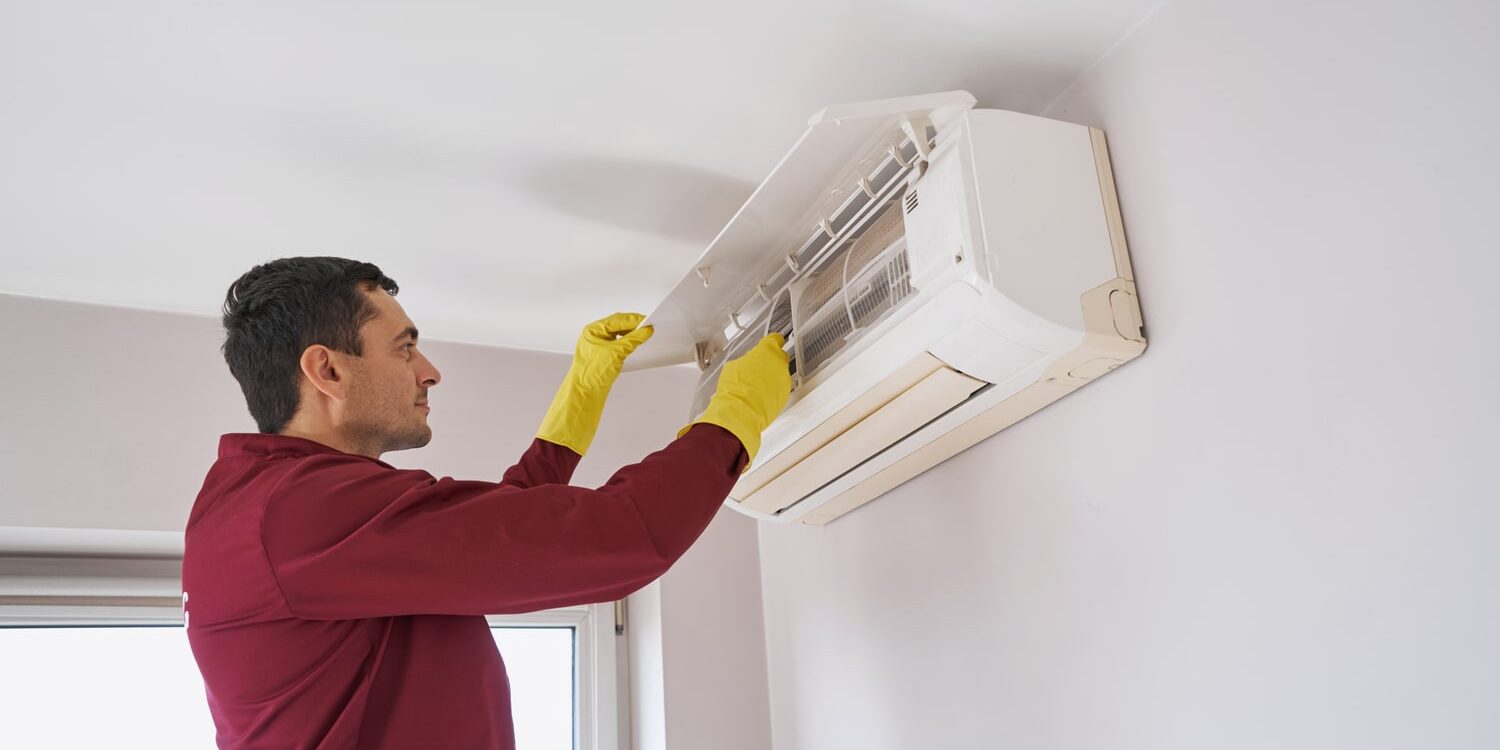
Cleaning and maintaining air conditioning ducts is crucial for the efficient functioning of your cooling system. Neglecting this aspect can lead to a build-up of dust, dirt, and allergens, reducing the quality of indoor air and potentially causing respiratory issues.
Proper maintenance involves regular cleaning of the air conditioning ducts to remove accumulated debris. This can be done by vacuuming or using specialized tools designed for this purpose. Additionally, it is important to check for any leaks or damages in the ducts that may cause air leakage and compromise the cooling efficiency.
Apart from routine cleaning, it is advisable to have professional inspections and cleanings conducted annually or as recommended by experts. Professionals possess the knowledge, skills, and equipment required to thoroughly clean and sanitize the ducts, ensuring optimal performance of your air conditioning system.
Now let’s dig deeper into the history of air conditioning duct cleaning. The practice traces back to ancient civilizations like the Romans who utilized underground channels known as hypocaust systems to heat and cool their buildings. These systems consisted of interconnected flues that carried hot or cold air generated from a central heating source. While not identical to modern-day ductwork, these early forms highlight humanity’s desire for comfortable indoor environments.
Importance of Cleaning and Maintaining Air Conditioning Ducts
Cleaning and maintaining air conditioning ducts is crucial for ensuring optimal performance and indoor air quality. Neglecting this task can lead to various issues such as reduced efficiency, increased energy consumption, and poor air circulation.
- Dust and debris accumulation: Over time, dust, dirt, pollen, and other airborne particles can accumulate within the ductwork. This build-up can restrict airflow and contaminate the air that circulates throughout your home or office.
- Mold growth prevention: Moisture is often present in air conditioning systems, creating a perfect environment for mold growth. Regular cleaning helps prevent the formation of mold colonies, which can release spores into the air and pose health risks.
- Energy efficiency improvement: Clean ducts allow for maximum airflow without any obstructions. This enables your air conditioner to operate more efficiently, reducing energy consumption and lowering utility bills.
To ensure complete effectiveness when cleaning and maintaining your air conditioning ducts, it’s important to consider a few additional details:
Properly sealed connections are essential to prevent leaks that can compromise the system’s efficiency. Additionally, using high-quality filters helps trap more particles before they enter the ductwork.
Here are some suggestions for keeping your air conditioning ducts clean:
- Regular cleaning: Schedule professional duct cleaning every 2-5 years to remove accumulated dust, allergens, and contaminants from within the ductwork.
- Filter replacement: Replace filters regularly (every 1-3 months) to minimize particle buildup and maintain good indoor air quality.
- Comprehensive inspections: Conduct thorough inspections of your system annually or hire professionals who can identify potential issues like leaks or inadequate insulation.
By following these suggestions diligently, you can ensure that your air conditioning ducts remain clean and properly maintained. This will contribute to improved system performance, energy efficiency, and better overall indoor air quality.
Step 1: Gathering the Necessary Tools and Equipment
Properly cleaning and maintaining air conditioning ducts is essential for ensuring optimal performance and indoor air quality. The first step in this process involves gathering the necessary tools and equipment. Let’s dive into the details of this crucial step.
- Begin by preparing a comprehensive list of the tools and equipment you will need. This includes items such as a vacuum cleaner with a long hose attachment, soft-bristle brushes, microfiber cloths, screwdrivers, pliers, and a flashlight.
- Next, check the condition of your existing tools to ensure they are in good working order. Replace any worn-out or damaged equipment before proceeding with the cleaning and maintenance process.
- It is also important to gather personal protective equipment (PPE) such as gloves, safety goggles, and dust masks. These will help protect you from dust, mold spores, and other potential allergens or irritants that may be present in the ducts.
- Consider investing in specialized HVAC cleaning tools if you frequently perform maintenance tasks on your air conditioning system. These tools include duct brushes with extended handles, inspection cameras, and pneumatic agitation devices.
- Finally, make sure to have a notepad and pen handy to jot down any observations or issues you come across during the cleaning process.
In addition to these steps for gathering tools and equipment, it is important to remember that each air conditioning system may have unique requirements or specific instructions from the manufacturer. Therefore, be sure to consult your system’s manual or seek professional advice if needed.
For instance, Mark Johnson from Sarasota had been neglecting his air conditioning ducts for years until he experienced constant allergies due to poor indoor air quality. Upon realizing the importance of regular maintenance, he gathered all the necessary tools mentioned above and began cleaning his ducts meticulously every six months. Mark noticed an immediate improvement in his allergies and now enjoys fresh and clean air indoors.
Gathering the necessary tools and equipment is just the first step toward properly cleaning and maintaining air conditioning ducts. Stay tuned for the next steps in this comprehensive guide!
Step 2: Preparing the Air Conditioning System
Preparing the air conditioning system is a crucial step in ensuring efficient and effective cleaning and maintenance. By following these simple steps, you can ensure that your system is ready for the process.
- Turn off the power: Before starting any work on your air conditioning system, make sure to turn off the power supply. This will prevent any accidents or mishaps during the cleaning and maintenance process.
- Remove debris: Begin by removing any debris or clutter around the air conditioning unit. Clear out any leaves, branches, or other objects that may have accumulated around it. This will allow for better access to the ducts and ensure a thorough cleaning.
- Cover sensitive areas: Next, cover any sensitive areas of your air conditioning system, such as the electrical components or vents, with plastic sheets or tarps. This will protect them from getting wet or damaged during the cleaning process.
By following these simple steps, you can adequately prepare your air conditioning system for cleaning and maintenance without any hassle. Remember to always prioritize safety and take necessary precautions before starting any work on your system.
Pro Tip: It is recommended to wear protective gear such as gloves and goggles while preparing your air conditioning system to avoid any injuries or accidents during the process.
Step 3: Cleaning the Air Ducts
Air duct cleaning is an essential step in maintaining and improving the performance of your air conditioning system. Neglecting this task can lead to poor indoor air quality and decreased efficiency. Therefore, it is crucial to understand how to properly clean and maintain your air conditioning ducts.
To ensure that your air ducts are thoroughly cleaned, follow these three simple steps:
- Inspection: Begin by inspecting the air ducts for any signs of dust, debris, or mold growth. Use a flashlight to get a clear view of the inside of the ductwork. If you notice any visible contaminants, mark those areas for cleaning.
- Cleaning: Once you have identified the areas that need cleaning, use a high-powered vacuum cleaner or specialized air duct cleaning equipment to remove all the accumulated dust and debris. Make sure to clean all components of the HVAC system, including grilles, registers, and vents.
- Sanitization: After removing the visible contaminants, it is essential to sanitize the air ducts to eliminate any remaining bacteria or mold spores. Use an EPA-approved disinfectant spray or solution specifically designed for air duct sanitization. Apply the sanitizer evenly throughout the ductwork to ensure comprehensive coverage.
Remember these additional details while cleaning your air ducts:
- Wear protective gear like gloves and masks to avoid direct contact with dust and harmful particles.
- Consider hiring a professional if you lack experience or if your system requires extensive cleaning.
- Regularly clean or replace your HVAC filters as dirty filters can contribute to contamination within the system.
By following these suggestions, you can effectively clean and maintain your air conditioning ducts:
- Schedule regular maintenance: Set up annual inspections and professional cleanings for optimal performance and longevity of your HVAC system.
- Control moisture levels: Keep humidity levels below 50% in your home by using dehumidifiers or proper ventilation systems. This prevents mold growth in your air ducts.
- Keep the area around your air ducts clean: Regularly dust and vacuum the surrounding areas to minimize the accumulation of dirt and debris that can be drawn into the ductwork.
Cleaning your air ducts not only improves indoor air quality but also enhances the efficiency of your air conditioning system. By following these steps and suggestions, you can ensure a cleaner, healthier, and more efficient environment for you and your family.
Step 4: Inspecting for Mold and Mildew
Inspecting for Mold and Mildew is a crucial step in the proper cleaning and maintenance of air conditioning ducts. It ensures the removal of potentially harmful contaminants that can affect indoor air quality.
To inspect for mold and mildew, follow these steps:
- Visual Inspection: Start by visually examining the interior surfaces of the ductwork. Look for any signs of mold growth or discoloration. Pay special attention to areas with high moisture levels, such as near condensation lines or on insulation materials.
- Odor Detection: Next, use your sense of smell to detect any musty or moldy odors coming from the ducts. These odors can be a strong indicator of mold or mildew presence.
- Testing: While visual inspection and odor detection are helpful, it’s best to conduct proper testing to confirm the presence of mold or mildew. Consider hiring a professional inspector who can collect samples and analyze them in a laboratory for accurate results.
- Remediation: If mold or mildew is found, it is essential to take immediate action to remove and remediate the problem. Mold growth within air ducts can compromise indoor air quality and lead to health issues if left unaddressed.
Remember, regular inspections for mold and mildew should be done as part of routine maintenance to ensure a clean and healthy environment. By taking proactive measures, you can prevent potential health risks associated with poor indoor air quality.
Pro Tip: To prevent future mold and mildew growth, ensure proper ventilation in your home or office space. Keep humidity levels low by using dehumidifiers, addressing any water leaks promptly, and maintaining good airflow throughout your property.
Step 5: Reassembling and Finishing Touches
Reassembling and finishing touches are essential steps in cleaning and maintaining air conditioning ducts. Here’s a 5-step guide to help you through this process:
- Replace filters: Start by replacing the air filters in your air conditioning unit. This ensures that clean air can flow freely through the system, improving its efficiency.
- Reattach ductwork: Carefully reattach any disconnected ductwork using metal foil tape or mastic sealant. Make sure all connections are secure to prevent air leaks.
- Clean vents and grilles: Thoroughly clean the vents and grilles using a vacuum cleaner or a brush attachment. Remove any accumulated dust or debris to maintain good indoor air quality.
- Inspect insulation: Check the insulation around the ductwork for any signs of damage or wear. Replace any damaged insulation to maintain proper temperature control and energy efficiency.
- Test the system: Once everything is reassembled, turn on your air conditioning system and listen for any unusual noises or vibrations. Ensure that all vents are distributing cool air evenly throughout your space.
It is important to note that avoiding further accumulation of dirt and dust can be achieved by regularly cleaning and maintaining your air conditioning ducts. By taking these steps, you can ensure efficient airflow and prolong the lifespan of your AC system.
To keep your home comfortable and free from airborne contaminants, take action now! Don’t miss out on the benefits of clean and well-maintained air conditioning ducts – start reassembling and applying those finishing touches today!
Conclusion
As we conclude this discussion on how to properly clean and maintain air conditioning ducts, it is important to emphasize the significance of regular maintenance. By adhering to a proper cleaning routine, you can ensure that your AC system functions efficiently and provides clean air for you and your family.
When it comes to maintaining air conditioning ducts, prevention is key. Regularly inspecting for any signs of mold, pests, or excessive dust accumulation will help you identify potential issues before they become major problems. Cleaning the vents and filters regularly will also improve airflow and prevent blockages.
In addition to regular maintenance, professional cleaning services can provide a deeper cleaning for your air conditioning ducts. These services use specialized equipment and techniques to remove stubborn dirt and contaminants that may have accumulated over time.
To shed some light on the importance of proper maintenance, let’s dive into a true story. A homeowner neglected their air conditioning ducts for years, assuming that regular filter changes were sufficient. However, they soon noticed a decline in indoor air quality and an increase in respiratory issues among family members. Upon inspection, it was discovered that the ducts were heavily contaminated with allergens and mold spores. This situation could have been prevented with regular cleaning and maintenance.
Final Tips for Regular Maintenance
Regular maintenance of air conditioning ducts is crucial for optimal performance and longevity. Here are some final tips to ensure your AC system stays in top shape:
- Inspect and clean the ducts regularly to remove dust, debris, and potential blockages. This will improve airflow and prevent potential health hazards.
- Seal any leaks or gaps in the ductwork using appropriate sealants. This will help maintain energy efficiency and prevent air leakage, enhancing overall performance.
- Replace air filters regularly to promote clean indoor air quality and prevent dust buildup. Dirty filters can restrict airflow and put a strain on the system.
- Schedule professional maintenance at least once a year with a qualified HVAC technician. They will assess the system, perform necessary repairs, and ensure its optimal functioning.
To further enhance your AC system’s performance:
- Consider installing zoning systems to regulate temperature control in different areas of your home, maximizing comfort while reducing energy consumption.
- Invest in programmable thermostats that allow you to customize cooling schedules based on occupancy patterns. This helps avoid unnecessary energy usage.
- Keep outdoor units clear of debris and vegetation as it can restrict airflow and affect efficiency. Regularly clean the unit’s coils for optimal performance.
- Maintaining proper insulation throughout your home helps with temperature control and reduces strain on your AC system by minimizing heat gain or loss through walls, windows, and doors.
For additional care:
To prevent mold growth within the ductwork, maintaining adequate humidity levels is vital. Proper insulation reduces condensation build-up.
Now let me tell you a true story about how regular maintenance saved the day for my friend Sarah. Despite following all the cleaning tips diligently, her AC suddenly stopped cooling. Worried, she called the technician who discovered a clogged duct due to a dislodged vent cover. After fixing the issue and conducting a thorough maintenance check, Sarah’s AC was back in action, efficiently cooling her home.
Regular maintenance is an investment in your comfort and peace of mind, ensuring your air conditioning system works effortlessly whenever you need it. So don’t overlook these essential maintenance tips to enjoy uninterrupted cool air all summer long.
Additional Resources for Professional Assistance
When it comes to maintaining your air conditioning ducts, sometimes you may need professional assistance. Here are some additional resources to help you out:
- Professional HVAC technicians: These experts have the knowledge and skills to thoroughly inspect and clean your air conditioning ducts. They can identify any issues or blockages that may be affecting the performance of your system.
- Online forums and communities: Joining online forums or communities dedicated to HVAC maintenance can provide valuable insights and advice from professionals in the field. You can ask questions, seek recommendations, and learn from other people’s experiences.
- Local HVAC associations: Check if there are any local HVAC associations or organizations in your area. They often have directories of certified professionals who specialize in air conditioning duct cleaning and maintenance.
If you prefer a more hands-on approach, there are DIY resources available as well. However, it’s important to note that proper maintenance requires expertise and specialized tools.
Now, let me share a true story with you:
A couple in Florida recently discovered mold growth in their air conditioning ducts. Concerned about their family’s health, they decided to seek professional assistance. The HVAC technician they hired thoroughly inspected and cleaned the ducts, effectively eliminating the mold issue. Thanks to their prompt action and the expertise of the professional, the couple now enjoys clean and healthy indoor air quality once again.