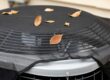
Are you tired of your outdoor AC unit breaking down? Struggling to keep it clean and functioning properly? Look no further. In this article, we will discuss the importance of maintaining your AC unit and provide practical tips to help you keep it running smoothly. Say goodbye to costly repairs and hello to an efficient, long-lasting unit.
What Are Outdoor AC Units Used For?
Outdoor AC units are essential for cooling and regulating temperature, humidity, and air quality in residential, commercial, and industrial spaces. They play a crucial role in creating a comfortable and healthy environment, especially during hot weather, which can improve productivity and well-being.
Why Is It Important to Maintain and Clean Outdoor AC Units?
Maintaining and cleaning outdoor AC units is essential for ensuring efficient functioning and longevity. Regular maintenance not only helps to optimize performance and energy efficiency but also leads to cost savings. Additionally, clean units contribute to better air quality and reduce the risk of breakdowns. Neglecting maintenance can result in reduced cooling capacity, increased energy consumption, and expensive repairs.
How to Maintain Your Outdoor AC Unit?
As we head into the summer months, it’s important to ensure that your outdoor AC unit is in top condition to keep you cool and comfortable. In this section, we’ll discuss the key steps to properly maintain your outdoor AC unit. From simple tasks like changing air filters and keeping the unit clean, to more advanced steps like checking for damage and scheduling professional maintenance, we’ll cover everything you need to know to keep your AC unit running efficiently and effectively.
1. Regularly Change Air Filters
- Before beginning the process, be sure to turn off the power to the unit.
- The air filter can usually be found in the return air duct or near the air handler/furnace.
- Replace the old filter with a new one of the same size and type.
- Always follow the manufacturer’s instructions for proper filter replacement.
- Keeping up with regular air filter changes is important for maintaining the efficiency and air quality of your AC unit.
2. Keep the Area Around the Unit Clean
- Clear Debris: Regularly remove leaves, twigs, and other debris from around the unit.
- Trim Vegetation: Keep plants and bushes trimmed at least 2 feet away from the unit to ensure proper airflow.
- Clean Surrounding Area: Sweep and clean the area around the unit to prevent dirt and dust from entering the system.
3. Check for Any Damage or Wear and Tear
- Inspect the unit for any visible damage or wear and tear, such as dents, rust, or corrosion, as stated in step 3 of the inspection process.
- Check for any loose or damaged electrical connections, wires, or components.
- Examine the insulation around refrigerant lines for any signs of damage or deterioration.
4. Schedule Regular Professional Maintenance
- Schedule regular professional maintenance every six months to ensure optimal performance and longevity of your outdoor AC unit.
- Hire a certified technician to inspect, clean, and calibrate the system, preventing potential breakdowns.
- Professional maintenance helps identify issues early, saving on repair costs and preserving energy efficiency.
- Ensure the service includes thorough cleaning, refrigerant level inspection, and electrical component evaluation.
Regular professional maintenance is crucial for sustaining your outdoor AC unit’s efficiency and durability, promoting a comfortable indoor environment.
How to Clean Your Outdoor AC Unit?
As the summer heat intensifies, it’s important to keep your outdoor AC unit in top shape for optimal cooling. Regular maintenance and cleaning can ensure that your AC unit runs efficiently and effectively. In this section, we will guide you through the step-by-step process of cleaning your outdoor AC unit. From turning off the power to reassembling the unit, we will cover all the necessary steps to keep your unit functioning at its best.
1. Turn Off the Power to the Unit
- Shut off the power supply to the AC unit from the main electrical panel.
- For additional safety, use a voltage tester to confirm that the power is off.
- Label the circuit or use a lockout/tagout device to prevent accidental power restoration.
Pro-tip: Always prioritize safety by double-checking the power supply before performing any maintenance on your outdoor AC unit.
2. Clean the Exterior of the Unit
- Remove debris such as leaves, grass, and dirt from the exterior of the unit.
- Gently clean the exterior with a soft cloth or brush to remove any accumulated dirt or grime.
- Inspect the exterior for any signs of physical damage or corrosion.
- Ensure the unit is free from any obstructions or blockages that could hinder airflow.
Regularly cleaning the exterior of your outdoor AC unit is essential for maintaining its efficiency and prolonging its lifespan. Remember to handle the unit delicately to avoid causing any damage.
3. Clean the Fins and Coils
- Before beginning the cleaning process, make sure to turn off the power to the unit.
- Using a fin comb or soft brush, gently clean the fins and coils to remove any dirt or debris.
- Be careful not to bend the fins while cleaning to ensure the unit maintains its efficiency.
- Inspect the fins and coils for any signs of damage or blockage and address any issues that are found.
- Once the cleaning is complete, reassemble the unit and turn the power back on to resume normal operation.
4. Clean the Condensate Drain
- Turn off the power to the unit
- Clean the exterior of the unit
- Clean the fins and coils
- 4. Clean the Condensate Drain
- Reassemble and turn the power back on
5. Reassemble and Turn the Power Back On
- Reassemble the outdoor AC unit components in the reverse order of disassembly, making sure to securely and properly connect all parts.
- Once all parts are connected, turn the power back on and adjust the thermostat to the desired setting.
Why You Should Hire a Professional for Maintenance and Cleaning?
While it may seem like a simple task, maintaining and cleaning your outdoor AC unit requires specific tools, knowledge, and caution. In this section, we will discuss why it is important to hire a professional for this task rather than attempting to do it yourself. We will explore the proper tools and equipment needed for a thorough cleaning, the knowledge and experience required to properly maintain the unit, and the importance of safety and efficiency in the process. Keep reading to learn more.
1. Proper Tools and Equipment
When it comes to maintaining and cleaning your outdoor AC unit, it is essential to have the proper tools and equipment. Here’s a list of essential tools for this task:
- Screwdrivers and wrenches for disassembly
- Soft brush for cleaning fins and coils
- Vacuum with a soft brush attachment for dust removal
- Bleach and hot water for cleaning the condensate drain
Fact: Using the right tools ensures thorough cleaning and maintenance, leading to improved AC performance and longevity.
2. Knowledge and Experience
- Understand the System: Learn about the specific components and functions of your outdoor AC unit.
- Diagnose Issues: Acquire the knowledge and experience to identify common problems and troubleshoot issues effectively.
- Implement Solutions: Gain the expertise to carry out basic maintenance tasks and minor repairs.
For a comprehensive understanding and professional expertise, consider attending HVAC training programs or seeking guidance from certified professionals.
3. Safety and Efficiency
- For safety and efficiency, always remember to turn off the power to the unit before performing any maintenance.
- When cleaning the exterior of the unit, use a soft brush or cloth to avoid damaging the fins.
- To maintain the efficiency of the unit, gently clean the fins and coils.
- Prevent water leakage and mold growth by cleaning the condensate drain regularly.
- Once everything is cleaned, reassemble the unit and turn the power back on to ensure proper functioning.
Importance of Regular Maintenance and Cleaning for a Well-Functioning AC Unit
- It is important to regularly change air filters to maintain proper airflow and indoor air quality for your AC unit.
- Keeping the area around the unit clean is crucial to prevent debris from impacting the unit’s performance.
- Be sure to regularly check for any damage or wear and tear on the unit and address any issues promptly to prevent further damage.
- Scheduling regular professional maintenance for your AC unit is essential to ensure optimal performance and identify any potential issues early on.