What is air conditioning?
Most people think of air conditioning as a way to cool their homes in hot weather, but air conditioning can also be used to heat a home in colder weather. Air conditioning is the process of removing heat from the interior of a building and circulating the cooled air throughout the structure. In warm weather, air conditioners work by taking heat out of the air inside your home and moving it outside. In cold weather, they work by taking heat from the air outside and bringing it inside.
How does air conditioning work?
Air conditioning works by circulating cool air through your home or office. The process of air conditioning involves three main parts: a compressor, a condenser, and an evaporator. The compressor pumps refrigerant through the system. The condenser releases the heat from the refrigerant. The evaporator absorbs the heat from the air.
The science behind air conditioning
Have you ever wondered how air conditioning works? It may seem like magic, but it’s actually based on a simple scientific principle. Here’s a look at the science behind air conditioning and how it keeps us cool.
The basic principle behind air conditioning is evaporation. When water evaporates, it absorbs heat from the surrounding air. This process is called latent heat of vaporization.
You can see this principle in action when you sweat. Sweating is your body’s way of cooling itself down. As your sweat evaporates, it takes heat away from your body, and that’s what makes you feel cool.
Air conditioners work in a similar way. They use a refrigerant that evaporates at a low temperature. The refrigerant absorbs heat from the air inside the home and then evaporates outside. This process takes heat away from the air inside the home, making it cooler.
Air conditioners also use fans to circulate the cool air throughout the home. The combination of the evaporative process and the circulating fans makes your home nice and cool on even the hottest days!
The mechanics of air conditioning
Most people think of air conditioning as a modern convenience. But the history of air conditioning goes back almost 200 years!
The first air conditioner was invented in 1851 by a man named John Gorrie. He was a doctor who was trying to find a way to cool the air in his hospital so that his patients would be more comfortable.
Gorrie’s machine worked by using a giant wheel to force air over some ice. This cool air was then circulated through the hospital using fans.
It wasn’t until 1902 that a man named Willis Carrier invented the first machine that could be used to cool an entire building. Carrier’s machine worked using a similar principle to Gorrie’s, but it was much more efficient.
Today, most air conditioners work using Freon gas, which is compressed and circulated through a system of coils. As the Freon gas expands, it cools the coils and the air that is blown over them. This cooled air is then circulated through the building.
How can I improve my air conditioning?
If your home or office doesn’t have air conditioning, you may be wondering how it works and how you can get it to work better. Air conditioning is a system that removes heat from an area to make it cooler. The most common type of air conditioning system is the central air conditioning system, which has a compressor that cools the air.
Tips for improving air conditioning
There are a few things you can do to ensure that your air conditioner is working as efficiently as possible.
– Regularly clean or replace the air filter. A dirty air filter can restrict airflow and cause the system to work harder than it needs to.
– Check for and seal any leaks in the ductwork. Leaks can cause the system to lose cooled air before it reaches your home.
– Make sure that all doors and windows are properly sealed. Even small gaps can let in hot air from outside.
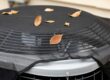
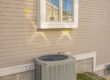
– Keep trees and shrubs trimmed away from the outdoor unit. Too much foliage can block airflow and cause the system to overwork itself.
Maintenance for air conditioning
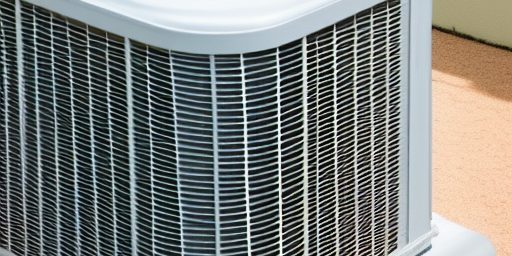
In order to keep your air conditioning unit running properly, it is important to do some basic maintenance. This includes regularly cleaning or changing the air filter. A dirty air filter will make your unit work harder and can lead to early failure. You should also check the coils and fins on the unit to ensure they are clean and free of debris. If they are dirty, they will not be able to dissipate heat properly. Lastly, it is important to keep the area around the unit clear of debris and weeds.