Sealing air leaks in your home is a crucial step toward achieving optimal energy efficiency. By addressing these openings, you can not only reduce your utility bills but also enhance the overall comfort of your living space. Let’s delve into this topic further and explore why sealing air leaks should be a top priority for homeowners.
Maintaining a well-sealed home plays a significant role in conserving energy and improving indoor air quality. When there are gaps or cracks in your walls, windows, doors, or even ductwork, conditioned air can easily escape while outside air infiltrates. This results in increased energy consumption as your heating or cooling system works harder to compensate for the loss. Identifying and sealing these leaks helps to create an airtight barrier, preventing unnecessary energy wastage and reducing your carbon footprint.
Not only does sealing air leaks contribute to energy efficiency, but it also enhances the overall comfort of your home. Have you ever experienced drafts or hot spots in certain areas? These discomforts may be attributed to air infiltration caused by unsealed gaps. By properly sealing these openings, you can enjoy consistent temperatures throughout your living spaces and eliminate unwanted drafts that disrupt comfort.
Interestingly, the concept of sealing air leaks is not new. It dates back centuries when people used various materials like mud, straw, and animal skins to insulate their homes. Fast forward to modern times; advancements in technology have provided us with more efficient sealants and insulation materials. From weatherstripping to caulking, foam sealants to insulation blankets – we now have an array of solutions at our disposal.
Importance of Sealing Air Leaks in Your Home for Energy Efficiency
Sealing air leaks in your home is crucial for achieving optimal energy efficiency. By preventing drafts, you can reduce the amount of conditioned air that escapes, which leads to increased energy consumption and higher utility bills. This simple measure can have a significant impact on your overall energy efficiency and cost savings.
In addition to reducing energy waste, sealing air leaks also helps to improve indoor air quality. When outside air infiltrates your home through gaps and cracks, it can bring in dust, allergens, and pollutants. By sealing these leaks, you can create a healthier living environment for you and your family.
Furthermore, sealing air leaks can enhance the comfort of your home by eliminating drafts and temperature imbalances. By preventing cold or hot air from entering your home during winter or summer months respectively, you can maintain a more consistent and comfortable indoor temperature throughout the year.
Now for a fascinating piece of history: Did you know that during World War II, sealing air leaks became a national priority in the United States? The government launched campaigns encouraging citizens to seal their homes’ drafts as a way to conserve energy and support the war effort. This initiative not only helped in saving resources but also highlighted the importance of energy efficiency for overall sustainability.
Overall, sealing air leaks in your home is an essential step toward achieving optimal energy efficiency. It not only reduces energy waste but also improves indoor air quality and enhances comfort. So take some time to inspect your home for any potential gaps or cracks and seal them accordingly. Your wallet and the environment will thank you!
Benefits of Sealing Air Leaks
The significance of sealing air leaks in your home for energy efficiency cannot be overstated. By preventing air leaks, you can enjoy several advantages.
- Lower energy bills: Sealing air leaks helps to create a more airtight environment in your home, reducing the amount of heated or cooled air that escapes. This means your HVAC system doesn’t have to work as hard to maintain a comfortable temperature, leading to lower energy consumption and cost savings.
- Improved comfort: When air leaks are sealed, it minimizes drafts and uneven temperatures in your home. You’ll experience more consistent indoor temperatures and a higher level of comfort throughout your living spaces.
- Enhanced indoor air quality: Air leaks can allow pollutants, dust, and allergens to enter your home, compromising the indoor air quality. By sealing these leaks, you can prevent the infiltration of these contaminants, leading to a cleaner and healthier living environment.
- Reduced environmental impact: When your home is energy efficient, it helps to reduce the overall demand for energy consumption. By sealing air leaks, you are making a positive contribution to environmental sustainability by conserving energy resources.
Additionally, it is important to note that proper air-sealing techniques and materials can vary based on the specific characteristics of your home. Consulting a professional HVAC technician can provide you with unique insights tailored to your home’s needs.
Pro Tip: Consider conducting a thorough inspection of your home for air leaks using techniques such as infrared thermography or a blower door test. Sealing air leaks in your home is like telling your money to stop sneaking out the window and start chillin’ with you on the couch.
Increased energy efficiency
With sealed air leaks, the HVAC system operates more efficiently, as it doesn’t have to work as hard to maintain a consistent temperature.
This increased efficiency translates into lower energy bills, providing homeowners with potential savings that can be invested in other areas of their lives.
Sealing air leaks also helps to improve indoor comfort by eliminating drafts and ensuring a more consistent temperature throughout the house.
Furthermore, by reducing the amount of outdoor air entering the home, sealing air leaks can also improve indoor air quality by preventing pollutants and allergens from infiltrating living spaces.
While these benefits are already impressive, there are additional advantages to consider. Sealing air leaks not only saves homeowners money but also contributes to a greener environment. By conserving energy, we are collectively taking a step towards reducing our carbon emissions and mitigating climate change.
To reap these benefits and make a positive impact in both our lives and the world around us, it is essential to take action. Don’t miss out on the opportunity to increase your energy efficiency and lower your carbon footprint. Seal those air leaks today and experience the rewards firsthand!
Lower energy bills
Sealing air leaks can have a significant impact on reducing energy bills. This simple yet effective solution can help homeowners save money and make their homes more energy-efficient.
- 1. Lower Heating and Cooling Costs: By sealing air leaks, homeowners can prevent the escape of warm or cool air from their homes, reducing the need for heating or cooling appliances. This can lead to lower energy bills throughout the year.
- 2. Increased Energy Efficiency: When air leaks are sealed, the home becomes more efficient at retaining its temperature. This means that less energy is required to maintain a comfortable indoor environment, resulting in lower energy consumption and cost savings.
- 3. Enhanced Comfort: Air leaks can create drafts, making certain areas of the home uncomfortable. By sealing these leaks, homeowners can enjoy a more consistent and comfortable indoor temperature throughout their living spaces.
- 4. Environmental Benefits: Reducing energy consumption not only lowers utility bills but also helps reduce carbon emissions. By improving the energy efficiency of our homes through air leak sealing, we contribute to a greener and more sustainable future.
- 5. Overall Cost Savings: Sealing air leaks is a cost-effective way to make your home more energy-efficient. The money saved on reduced utility bills over time can outweigh the initial investment required for sealing materials and professional services.
It’s important to note that proper inspection and identification of air leak sources is crucial for optimal results when sealing them off from infiltrating your home.
Pro Tip: Consider hiring a professional contractor who specializes in weatherization services for an expert assessment and effective sealing of air leaks in your home.
Improved indoor air quality
- Reduces infiltration of outdoor pollutants: Sealing air leaks helps prevent the entry of outdoor pollutants, such as dust, pollen, and exhaust fumes. By blocking these sources from infiltrating your home, you can create a cleaner and healthier indoor space.
- Minimizes moisture and mold growth: Air leaks often allow excess moisture to enter your home. By sealing these gaps, you can prevent dampness that could lead to mold growth. This helps maintain good indoor air quality and protects against respiratory issues associated with mold exposure.
- Controls odors and improves ventilation efficiency: Effective air sealing reduces the presence of unpleasant odors by preventing their entry into your home. Additionally, it enhances ventilation efficiency by ensuring that fresh air enters through designated openings rather than uncontrolled leaks.
Furthermore, improving indoor air quality through air leak sealing provides various unique benefits apart from those mentioned earlier. It helps enhance energy efficiency by minimizing heat loss or gain through leaks. This can lead to lower utility bills and a more comfortable living environment year-round.
In addition to the numerous benefits mentioned above, let me share a story about how one family improved their indoor air quality by sealing air leaks in their home. The Smiths had been experiencing constant allergies and respiratory issues but couldn’t figure out the cause until they decided to seal all the gaps in their house’s windows and doors. Following this simple yet effective measure, they noticed a significant improvement in their overall health and well-being. Now they enjoy clean and fresh indoor air without worrying about external pollutants or allergens affecting their family’s health.
Identifying Air Leaks in Your Home
In the quest for energy efficiency, it is essential to address the issue of air leaks in your home. Identifying these leaks is a crucial step in the process. Here are three key points to help you identify air leaks within your home:
- Check for drafts: Inspect your home for any noticeable drafts around windows, doors, and electrical outlets. Use your hands to feel for any cold air coming in or warm air escaping. This can indicate the presence of an air leak.
- Conduct a smoke test: Light a candle or incense stick and move it around potential areas of air leakage. Observe if the flame flickers or the smoke gets pulled towards any specific spot. These movements indicate air movement and can help pinpoint the location of the leaks.
- Use a thermal camera: Consider using a thermal camera or infrared thermometer to identify temperature variations on surfaces. Cold spots can indicate air leaks, as the temperature differential indicates air movement.
By utilizing these methods, you can successfully identify the air leaks in your home and take the necessary steps to seal them. However, it is crucial to note that each home is unique, and it may possess unique characteristics leading to air leaks. Consulting a professional for a comprehensive evaluation may provide further insights and solutions for your specific situation.
Ensuring your home is properly sealed not only improves energy efficiency but also enhances your comfort and reduces utility bills. Don’t let the fear of missing out on these benefits hold you back. Take action today, identify and seal those air leaks in your home to create an energy-efficient and cozy living space.
Finding air leaks in your home is like a game of hide and seek, but instead of a prize, you get lower energy bills.
Common areas for air leaks
The urge to keep our homes cozy and comfortable leads us on a quest to identify those sneaky air leaks. These uninvited guests can silently enter your home, disturbing the temperature you’ve worked so hard to achieve. To protect your abode from these unwanted infiltrators, it’s crucial to identify the common areas for air leaks.
- Windows: One of the top culprits for air leakage is often the windows. Check for gaps between the window and frame, worn weatherstripping, or cracks in the glass.
- Doors: Don’t let doors fool you; they can be guilty too. Inspect for insufficient weatherstripping, air leaks under or around the door frames, and gaps at the bottom.
- Vents: While vents are essential for proper ventilation, they can become problematic if not properly sealed. Ensure there are no holes or gaps around vent openings.
- Attics: Often overshadowed by other areas, attics can still contribute to significant air leaks. Look out for spaces around electrical fixtures, plumbing pipes, and access hatches.
- Basements: The basement is not exempt either! Check for cracks in walls or floors, gaps near windows, pipeline penetrations through foundation walls, and any exposed rim joists.
- Electrical Outlets: Surprisingly enough, electrical outlets can also play a role in allowing cold drafts inside your home. Add outlet gaskets behind cover plates to minimize leakage.
Small details matter when it comes to identifying air leaks. Remember to pay attention to any cracks in caulking or weatherstripping that may need refreshing to maintain effective insulation throughout your home.
Did you know that identifying air leaks has been an ongoing battle ever since humans began seeking shelter? From ancient civilizations using organic materials like mud, straw, and even animal skins to modern construction techniques, the quest to seal air leaks has evolved. Today, we continue this endeavor with advanced tools and knowledge, ensuring our homes remain airtight and energy-efficient.
DIY methods for detecting air leaks
Are you concerned about the air leaks in your home? You’re not alone. Many homeowners desire to detect and fix these pesky leaks to improve energy efficiency and reduce utility bills. Here are some simple DIY methods for detecting air leaks.
- Inspect doors and windows: Check for any visible gaps or cracks around the frames of your doors and windows. If you notice light coming through or feel a draft, chances are there is an air leak.
- Use a candle: Light a candle and slowly move it around windows, doors, and other potential leak sources. If the flame flickers or goes out, it indicates an air current caused by a leak.
- Perform a smoke test: Light an incense stick or thin piece of paper and watch how the smoke moves. If it gets sucked toward a certain area or blows sideways, there may be an air leak nearby.
- Feel for drafts: On a windy day, run your hand along potential problem areas such as baseboards, electrical outlets, and attic access doors. If you feel cold air seeping in, there is likely an air leak.
- Check insulation: Insulation plays a crucial role in preventing air leaks. Inspect your attic, crawl spaces, walls, and floors for any signs of worn-out or missing insulation.
- Consider an infrared camera: If you want to take detection to the next level, use an infrared camera to identify temperature differences that indicate potential air leaks.
To enhance your understanding further, there are modern tools available like thermal imaging cameras that can help you identify even the smallest of temperature variations on surfaces due to air leaks. This advanced technology allows homeowners to pinpoint exactly where energy loss is occurring.
Now let me share a true story:
A couple who recently purchased their first home were shocked at how high their heating bill was during the winter. Determined to find the cause, they decided to thoroughly inspect their home for air leaks using the DIY methods mentioned above. To their surprise, they discovered multiple leaks around windows and doors that were easily fixed with weatherstripping and caulk. The couple was relieved when their next heating bill arrived significantly lower than before, thanks to their efforts in detecting and fixing these air leaks.
Don’t underestimate the impact of air leaks on your home’s energy efficiency and comfort. By utilizing these simple DIY methods, you can identify and address air leaks effectively, ultimately saving money and creating a more comfortable living environment.
Hiring professional services for air leak detection
When it comes to identifying air leaks in your home, hiring professional services for air leak detection is a wise decision. These experts are equipped with the knowledge and tools necessary to accurately locate and assess air leaks in your home. They use sophisticated techniques like thermal imaging and smoke tests to identify even the smallest of leaks that may be invisible to the naked eye.
Not only can these professionals detect leaks, but they can also provide recommendations on how to fix them. They will assess the severity of each leak and suggest appropriate measures such as sealing gaps, insulating windows, or repairing damaged ductwork. By addressing these issues, you can significantly improve the energy efficiency of your home and reduce your utility bills.
One unique aspect of hiring professional services is their ability to conduct a comprehensive whole-house assessment. They examine all areas of your home where air leakage commonly occurs, including doors, windows, vents, and electrical outlets. This thorough evaluation ensures that no potential leak goes unnoticed.
Pro Tip: Before hiring a professional service for air leak detection, do some research and check their credentials. Look for certified professionals who have experience in detecting and fixing air leaks. By choosing a reliable service provider, you can ensure that the job is done effectively and efficiently.
So if you suspect that your home has air leaks causing energy loss and discomfort, consider hiring professional services for air leak detection. Their expertise and specialized tools will help identify every nook and cranny where potential drafts are present. Take action today to make your home more energy-efficient and comfortable for years to come.
Sealing Air Leaks: Step-by-Step Guide
Sealing Air Leaks: Efficient Steps to Improve Energy Savings
To ensure maximum energy efficiency, it is vital to seal air leaks in your home. Follow these steps:
- Identify the leaks: Inspect doors, windows, and walls for any noticeable gaps or cracks that could allow air to escape or enter your home.
- Weatherstripping: Apply weatherstripping to seal gaps around doors and windows. This will help eliminate drafts and reduce energy loss.
- Caulking: Use caulk to seal gaps and cracks in walls, ceilings, and floors. This will prevent leaks and enhance the overall insulation of your home.
- Insulation: Ensure that your home is properly insulated. Insulate attics, crawl spaces, and walls to minimize heat transfer and improve energy efficiency.
- Duct sealing: Inspect and seal any leaks in your HVAC ductwork. Leaky ducts can cause significant energy loss and reduce the effectiveness of your heating and cooling system.
In addition to these steps, it is important to consider other factors such as sealing air leaks in electrical outlets, installing door sweeps, and properly maintaining your HVAC system.
By following this step-by-step guide, you can significantly reduce energy waste and enhance the comfort of your home.
Discover the Historic Importance of Sealing Air Leaks
Throughout history, the importance of sealing air leaks has been recognized. Ancient civilizations used various methods to seal their dwellings, such as mud, straw, and animal skins. In more recent times, advancements in building sciences have led to the development of modern materials and techniques for sealing air leaks. This continuous striving for energy efficiency demonstrates our long-standing commitment to reducing waste and improving the performance of our homes.
Sealing air leaks in your home: because giving energy bills a free ride is like inviting your wallet to a party it didn’t ask for.
Gathering the necessary tools and materials
To ensure a successful sealing of air leaks, it is crucial to gather all the necessary tools and materials. Here is a step-by-step guide to help you through the process:
- Identify the areas that need sealing:
- Inspect your home for any drafty areas, such as windows, doors, outlets, and pipes.
- Look for cracks or gaps in walls, ceilings, and floors where air may be leaking.
- Prepare the required materials:
- Purchase weatherstripping tapes or strips for windows and doors.
- Get caulk or sealant appropriate for the type of surface you will be sealing.
- Consider foam insulation for larger gaps or cracks.
- Don’t forget to have a caulk gun, putty knife, and a utility knife on hand.
- Measure and cut:
- Measure the lengths needed for weatherstripping tapes or strips.
- Use a utility knife to carefully cut them to the appropriate size.
- Clean and prep surfaces:
- Before applying any sealant or tape, clean the surfaces thoroughly.
- Remove dirt, dust, loose paint, or existing caulking from the area.
- Apply sealant or tape:
- Start by applying weatherstripping tapes around windows and doors according to manufacturer instructions.
- Use a caulk gun to apply caulk along cracks in walls or around pipes and vents.
- Fill larger gaps with foam insulation but avoid overfilling.
Remember these additional details: It’s essential to choose high-quality materials suitable for specific areas in your home. Properly measuring and cutting materials ensures an accurate fit, maximizing effectiveness. Additionally, by cleaning surfaces beforehand, you can achieve better adhesion of sealants.
Did you know? According to ENERGY STAR®, properly sealing air leaks can save homeowners up to 20% on their heating and cooling costs annually.
Preparing the areas for sealing
Before you begin sealing air leaks, it’s important to properly prepare the areas. These steps will ensure that your sealing efforts are effective and long-lasting.
- Inspect the Area: Start by thoroughly inspecting the area for any visible gaps, cracks, or holes. Pay special attention to windows, doors, and electrical outlets.
- Clean the Surfaces: Before sealing, clean all surfaces with a mild detergent and water solution. This will remove any dirt or debris that could interfere with the adhesion of the sealant.
- Remove Old Weatherstripping: If there is existing weatherstripping in place, carefully remove it using a putty knife or scraper. Be gentle to avoid damaging the surrounding areas.
- Fill Larger Gaps: Use an expanding foam sealant to fill larger gaps or holes in walls or around windows and doors. Follow the manufacturer’s instructions for application and allow sufficient curing time.
- Apply Weatherstripping: Install new weatherstripping around windows and doors to provide an airtight seal when closed. Choose weatherstripping materials that are suitable for your specific needs and climate.
- Caulk Gaps and Cracks: Use a silicone-based caulk to fill smaller gaps and cracks in walls, baseboards, and other areas where air might be leaking. Smooth the caulk with a caulking tool or your finger for a professional finish.
Remember to always follow safety guidelines when working with sealants and tools.
In addition to these steps, it’s essential to consider other factors that may contribute to air leaks, such as insulation deficiencies or worn-out seals on HVAC ducts. These issues should also be addressed during the preparation stage to maximize energy efficiency and indoor comfort.
A couple from Michigan was struggling with high energy bills due to drafty windows in their old Victorian home. They decided to tackle the issue by preparing the areas for sealing before winter arrived. After inspecting the windows, cleaning the surfaces, and applying weatherstripping, they noticed an immediate improvement in their home’s insulation. Not only did they enjoy reduced energy costs, but they also experienced a significant reduction in drafts and cold spots, making their living space much more comfortable.
By properly preparing the areas for sealing, you can enhance your home’s energy efficiency and create a more comfortable environment while saving money on utility bills.
Different techniques for sealing air leaks (caulking, weatherstripping, etc.)
Air leaks in buildings can lead to significant energy loss and discomfort. Sealing these leaks is crucial for improving energy efficiency and indoor air quality. There are various techniques available for this purpose, including caulking, weatherstripping, and more.
Here is a step-by-step guide for effectively sealing air leaks:
- Identify the sources of air leaks: Perform a thorough inspection of your home or building to locate areas where drafts are present. Common areas include windows, doors, electrical outlets, pipes, and vents.
- Caulking: Use caulk to seal gaps and cracks around windows and doors. Apply it along the edges where the frame meets the wall or siding. Make sure to choose the appropriate type of caulk based on the material being sealed.
- Weatherstripping: Install weatherstripping around windows and doors to minimize air leakage. This involves applying a strip of adhesive-backed foam or other materials to create a tight seal between movable components like sashes and frames.
- Seal gaps around pipes and vents: Use expanding foam or caulk to seal any gaps around pipes, vents, wiring, or other openings that penetrate walls or ceilings. This prevents outside air from infiltrating your home.
- Insulate attic hatches: Ensure that your attic hatch is properly insulated by installing weatherstripping or using an insulation kit designed for this purpose. This prevents heat loss through the attic access point.
- Test for additional leaks: After sealing the obvious areas, conduct a blower door test or thermal imaging scan to identify any remaining hidden leaks that require attention.
A few unique details worth noting are that external conditions such as wind pressure can affect air leakage rates in buildings, highlighting the importance of proper sealing techniques. Moreover, sealing air leaks not only improves energy efficiency but also helps in maintaining consistent indoor temperatures and reducing noise infiltration.
According to Energy.gov, uncontrolled air leakage can account for up to 30% of heating and cooling energy consumption in a building, emphasizing the need to address air leaks promptly and effectively.
Additional Tips for Improving Energy Efficiency
Effective Measures to Enhance Energy Efficiency
Enhancing energy efficiency in your home can yield significant benefits. By implementing effective measures that optimize energy consumption, you can reduce utility bills and minimize environmental impact.
- Conduct an energy audit: Identify areas in your home where energy is being wasted, such as air leaks, inefficient appliances, or inadequate insulation.
- Upgrade to energy-efficient appliances: Replace older, energy-draining models with new, eco-friendly alternatives that consume less electricity.
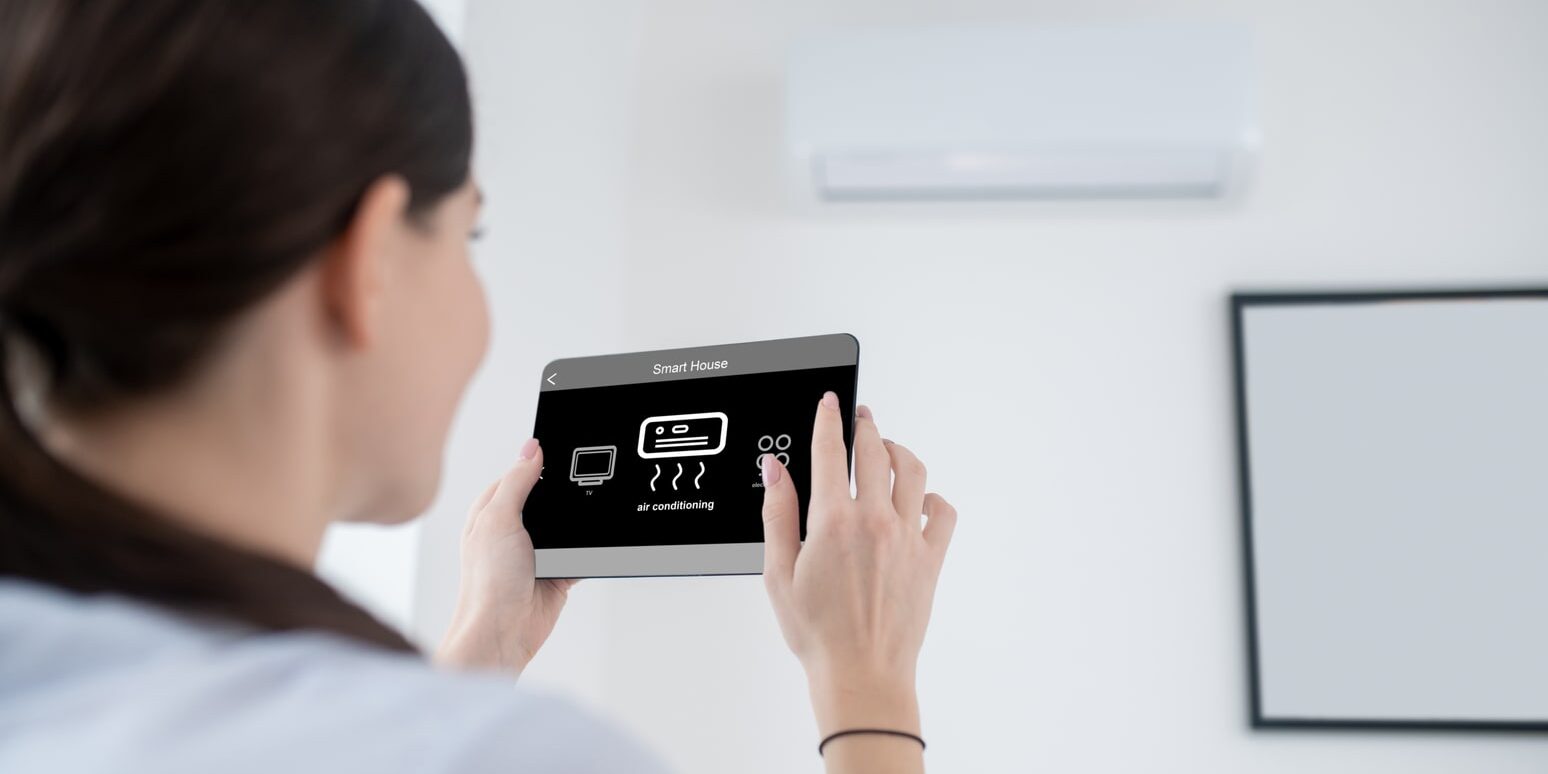
- Invest in smart home technology: Utilize programmable thermostats and smart devices to regulate energy usage and create personalized energy-saving settings.
To further improve energy efficiency, consider investing in renewable energy sources. Options like solar panels or geothermal heating systems can effectively reduce reliance on non-renewable resources and contribute to long-term energy sustainability.
Throughout history, the quest for energy efficiency has driven advancements in technology and policy. From the development of energy-saving materials to the implementation of energy efficiency standards, various initiatives have aimed to promote sustainable practices and conserve resources.
Before you insulate your home, remember: a holey house leads to unholy energy bills.
Insulating your home
Start by sealing any air leaks in your home’s envelope, such as windows and doors.
Add insulation to your attic, walls, and floors to minimize heat transfer.
Consider using energy-efficient windows that feature multiple panes and low-emissivity coatings.
Insulate ducts in unconditioned spaces like attics and basements to prevent temperature losses.
Use weatherstripping on doors and windows to create a tight seal and further eliminate drafts.
Finally, consider investing in a programmable thermostat, which allows you to regulate the temperature based on your schedule.
To note, double-check that your insulation materials have appropriate R-values for maximum effectiveness. By insulating your home effectively, you not only save money but also contribute to reducing greenhouse gas emissions.
Once upon a time, my friend Kate decided to insulate her old house to make it more energy efficient. She installed new insulation in the attic and sealed all the air leaks she could find. As a result, Kate noticed an immediate improvement in the comfort of her home and a significant decrease in her heating bills. Insulating her home proved to be a wise investment that paid off both financially and environmentally.
Proper ventilation
Ventilation is a crucial aspect of energy efficiency, ensuring the proper circulation of air within a space. To improve ventilation, consider the following points:
- Ensure windows and doors are sealed tightly to prevent air leaks.
- Install exhaust fans in areas prone to moisture buildup, such as bathrooms and kitchens.
- Utilize natural ventilation by opening windows and using window coverings strategically.
- Consider installing mechanical ventilation systems, like heat recovery ventilators (HRVs), which extract stale air while bringing in fresh outdoor air.
- Maintain regular HVAC system maintenance to ensure optimal airflow and ventilation throughout the building.
Additionally, it’s important to note that choosing appropriate ventilation methods should be based on the specific needs and characteristics of your space. By taking these measures, you can ensure proper ventilation and ultimately improve overall energy efficiency.
Did you know? The concept of proper ventilation has been practiced since ancient times. In early civilizations, buildings were designed with open courtyards or vents to allow for natural airflow. This helped regulate temperature and remove odors. Today, we continue to embrace these principles while leveraging modern technologies for enhanced energy efficiency.
Energy-efficient appliances
With the ever-increasing need to conserve energy and reduce carbon footprint, energy-efficient appliances have become a popular choice among consumers. These appliances are designed to minimize energy consumption without compromising performance or functionality.
Using energy-efficient appliances not only helps reduce electricity bills but also contributes to environmental sustainability. By choosing appliances with higher Energy Star ratings, you can ensure that you are making a difference in conserving our planet’s resources.
In addition to lower energy consumption, energy-efficient appliances often come with advanced features such as programmable settings, smart technology integration, and improved insulation. These features not only enhance convenience but also provide better control over appliance operation and optimize efficiency.
Moreover, some energy-efficient appliances offer innovative technologies like heat pump dryers and induction cooktops. Heat pump dryers use less energy by recycling hot air instead of venting it out, while induction cooktops transfer heat directly to the pot or pan, resulting in faster cooking times and reduced energy wastage.
Investing in energy-efficient appliances is essential not just for cost-saving benefits but also for reducing greenhouse gas emissions and protecting the environment. By taking this step towards sustainability, you can contribute towards a greener future for generations to come.
Upgrade your home with energy-efficient appliances today and experience the benefits firsthand. Don’t miss out on the opportunity to save money while making a positive impact on our planet. Embrace the power of efficient appliances and join the movement towards a more sustainable lifestyle.
Conclusion
In our quest for energy efficiency, one crucial step is sealing the air leaks in our homes. This not only helps in reducing energy consumption but also improves indoor air quality and comfort. Air leaks can occur through windows, doors, vents, and even cracks in walls and ceilings.
By sealing these air leaks, we can prevent warm or cool air from escaping the house and outside air from entering. This means that our heating and cooling systems do not have to work as hard to maintain a comfortable temperature, resulting in lower energy bills. Sealing air leaks also helps to eliminate drafts and hot or cold spots in the house, making it more comfortable for occupants.
Additionally, by sealing air leaks, we can improve indoor air quality by preventing pollutants such as dust, pollen, and outdoor contaminants from entering our homes. This is particularly important for individuals with respiratory conditions or allergies as it can help create a healthier living environment.
Sealing air leaks is a simple task that can be done by homeowners themselves or by hiring professionals. It involves identifying areas where leaks are occurring and using appropriate materials such as weatherstripping or caulking to seal them properly.
To understand the significance of sealing air leaks, let’s take a look back at history. In the past, people paid less attention to air leakage as energy prices were relatively low. However, with increasing concerns about energy conservation and rising utility costs, homeowners have recognized the importance of sealing these gaps.