Late September is an important transition point for homeowners in Venice, Sarasota, North Port, Port Charlotte, and surrounding Southwest Florida communities. Your air conditioner has worked through months of intense heat, humidity, pollen, salt air, and tropical storm activity. Before seasonal homeowners return, a careful air conditioner cleaning can help improve efficiency, reduce avoidable repairs, and keep your home comfortable into fall.
The following steps explain how to clean AC components safely and when to call a professional.
1. Proven Air Conditioner Cleaning Starts With Safety
Before touching your outdoor condenser, turn off the system at the thermostat. Then shut off power at the dedicated breaker and the outdoor disconnect box.
This step matters because the condenser fan can start unexpectedly, and the unit contains high-voltage electrical components. If you are uncomfortable locating the breaker or disconnect, stop and contact a licensed HVAC professional.
Never clean a system that has been submerged, shifted off its pad, or visibly damaged by a storm. In those situations, professional inspection is the smart choice.
2. Important Tip: Remove Storm Debris and Restore Clearance
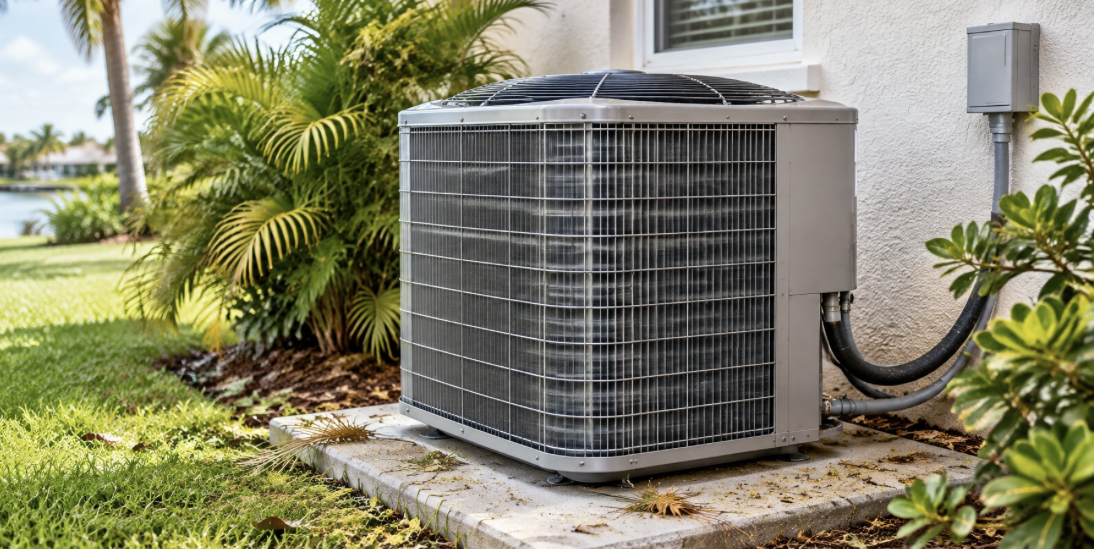
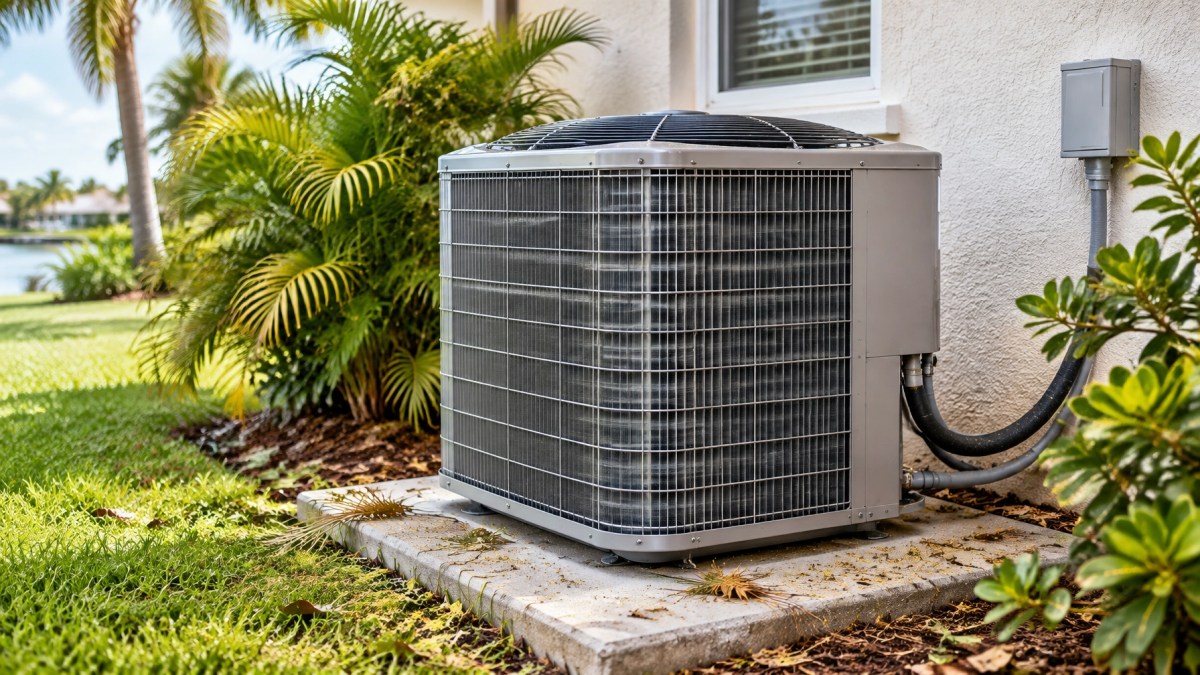
Hurricane-season wind can push palm fronds, leaves, sand, branches, and outdoor trash against the condenser. Pollen and grass clippings can also collect around the coil.
During your air conditioner cleaning, carefully remove loose debris from the top and sides of the unit. Keep at least two feet of open space around the condenser whenever possible.
Trim back shrubs, vines, and grass so air can move freely. If the outdoor unit cannot release heat efficiently, then the compressor may run longer, use more electricity, and experience unnecessary wear.
Check the unit after every major storm. If the cabinet is dented, the coil is severely bent, or the equipment is sitting in mud or standing water, do not restart it.
3. Ultimate Method: Clean the Outdoor Coil Gently
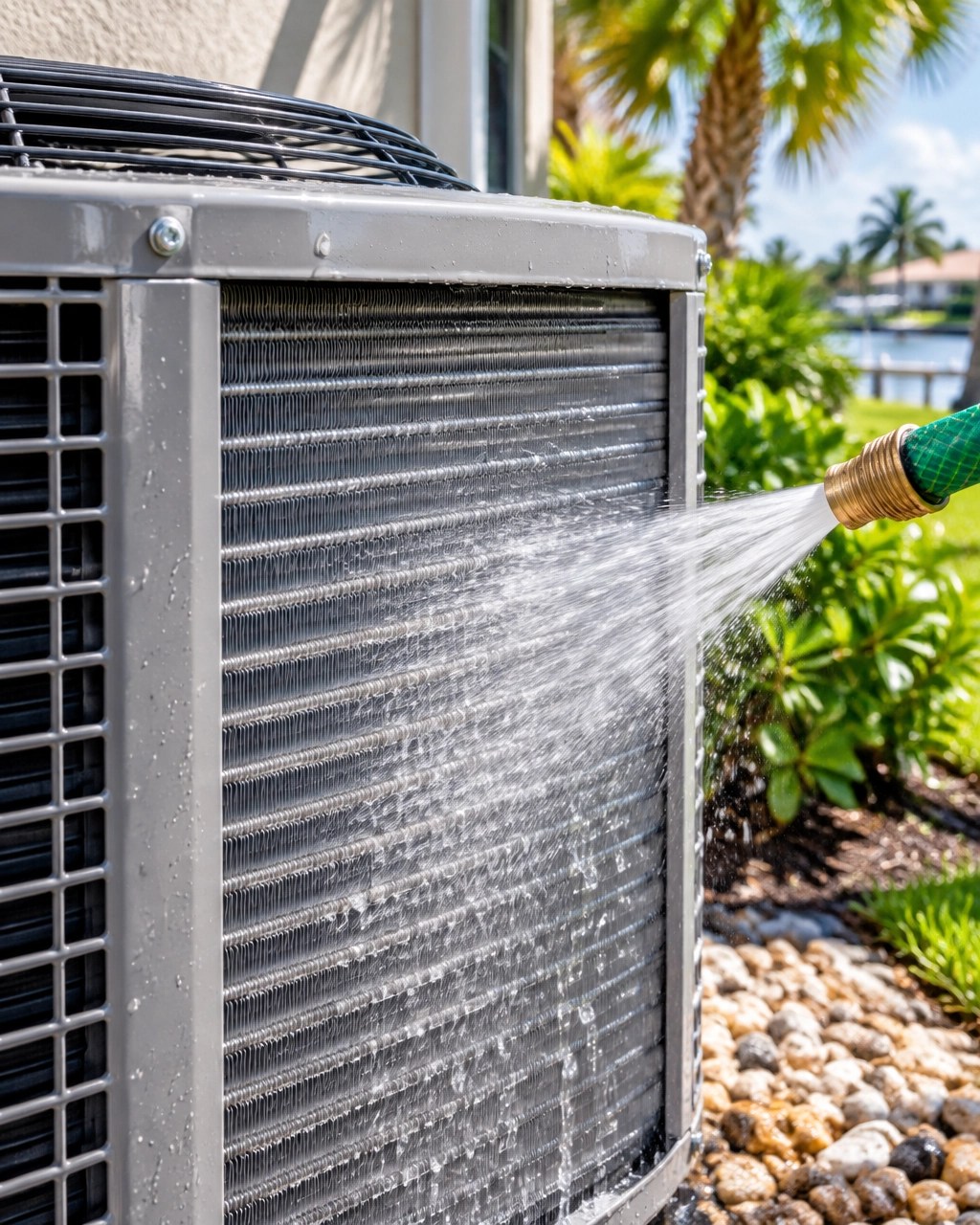
The thin aluminum fins on your condenser coil are easy to bend. For safe air conditioner cleaning, use a soft brush or a vacuum with a soft-brush attachment to remove loose dirt.
If the coil needs rinsing:
- Confirm that electrical power is off.
- Remove surface debris by hand.
- Use a regular garden hose with a gentle stream.
- Spray from the inside outward when the unit design allows.
- Avoid directing water toward electrical panels or controls.
Do not use a pressure washer. High-pressure water can flatten fins, damage the coil, and make airflow problems worse.
Southwest Florida’s coastal air can leave salt deposits on outdoor equipment. A gentle rinse can help remove surface salt and slow corrosion, but heavily contaminated or oily coils should be handled by a qualified technician.
4. Secret to Better Efficiency: Check the Filter
Your indoor air filter protects the blower, evaporator coil, and indoor air quality. In Florida, filters often load quickly because of humidity, dust, pollen, construction debris, and extended cooling cycles.
Check your filter at least once a month. Replace disposable filters or clean reusable filters according to the manufacturer’s instructions.
If the filter is visibly gray, clogged, or difficult to see through, replace it. If you install a filter that is too restrictive for your equipment, then airflow may drop and the system may work harder. Ask a professional which filter rating is appropriate for your specific HVAC system.
A clean filter is one of the simplest and most cost-effective parts of air conditioner cleaning.
5. Proven Drain Maintenance Helps Control Humidity
Your air conditioner removes moisture from indoor air as it cools your home. That moisture flows through the condensate drain, which can become blocked by algae, sludge, or debris during Southwest Florida’s humid season.
Look for:
- Water around the indoor air handler
- A musty smell near vents
- A system that shuts off unexpectedly
- Slow drainage near the outdoor condensate line
- Ceiling or wall stains near the air handler
You can inspect the visible drain opening, but avoid pouring chemicals into the system unless the manufacturer or an HVAC professional recommends it. A clogged drain can cause water damage and encourage microbial growth.
When air conditioner cleaning includes the drain pan and condensate line, your system is better prepared for continued humidity removal.
6. Smart Indoor Tip: Inspect Ductwork and Airflow
Cleaning the condenser will not solve every comfort problem. If some rooms remain hot, dusty, or humid, inspect accessible supply vents and return grilles for obstructions.
Also watch for signs that you may need air duct repair, including:
- Weak airflow from certain registers
- Whistling or rattling sounds
- Visible tears or disconnected duct sections
- Dust around duct connections
- Uneven temperatures between rooms
- Higher-than-usual energy bills
Leaking or damaged ducts can allow cooled air to escape into a hot attic or garage. They may also draw unfiltered air into the system. Brisk Air Conditioning explains more about the connection between air duct repair and indoor air quality.
The EPA also recommends evaluating whether duct cleaning is actually necessary based on visible contamination, pest activity, or debris entering the home. Read the agency’s guidance on cleaning air ducts before approving unnecessary work.

7. Ultimate Fall Preparation: Schedule Professional Service
DIY maintenance can remove surface debris, but professional air conditioner cleaning includes areas you cannot safely or accurately evaluate yourself. A trained technician can inspect electrical connections, refrigerant performance, blower components, coils, drain operation, airflow, and system safety controls.
Brisk Air Conditioning recommends servicing air conditioners twice a year because Southwest Florida systems operate for much of the year. Our annual HVAC maintenance program is designed to identify smaller problems before they become expensive repairs and help extend equipment life.
If your home is vacant for part of the year, professional maintenance is especially valuable. You can have greater confidence that your system is ready before you arrive.
8. Essential FAQs About Air Conditioner Cleaning
How often should air conditioner cleaning be performed?
Check filters monthly and remove outdoor debris as needed. Schedule professional maintenance at least twice a year in Southwest Florida, where systems run frequently.
Can I clean my outdoor AC unit with a pressure washer?
No. A pressure washer can bend delicate coil fins and damage components. Use a soft brush and gentle garden-hose stream instead.
What should I do if my AC unit was exposed to storm water?
Do not turn it on if it was submerged or surrounded by standing water. Shut off power and contact a licensed HVAC contractor for an inspection.
Does air conditioner cleaning include ductwork?
Not always. Condenser cleaning, filter replacement, drain maintenance, and duct cleaning are separate tasks. If you notice leaks or damaged insulation, ask about air duct repair.
9. Smart Next Step: Prepare Your Venice Home Now
Brisk Air Conditioning provides residential and commercial HVAC services throughout Venice, North Venice, Sarasota, North Port, Port Charlotte, Lakewood Ranch, and nearby Southwest Florida communities. We are licensed under CAC1818383, insured, BBB accredited, and committed to honest recommendations and fixing problems correctly the first time.
For a professional inspection, repair, maintenance visit, or second opinion, call 941-275-6258 or contact Brisk Air Conditioning online.
Brisk Air Conditioning
1435 E Venice Ave #104
Venice, FL 34292
Schedule HVAC service with Brisk Air Conditioning before fall travel and seasonal arrivals begin. Timely maintenance is the informed choice for lower energy waste, better humidity control, and dependable comfort.