Are leaky ducts bad? Yes. In a Southwest Florida home, damaged or poorly sealed ductwork can waste cooled air, increase humidity, raise energy bills, and force your air conditioner to work harder than necessary.
This issue becomes especially important in September, when seasonal residents return to Venice, Sarasota, North Port, Lakewood Ranch, and Port Charlotte. Before the weather shifts and your home settles into a new cooling routine, it is smart to check whether your duct system is quietly wasting energy.
Professional air duct repair may help you recover lost efficiency, improve indoor comfort, and reduce avoidable strain on your AC system. Depending on your home’s size, duct condition, and energy use, sealing major leaks may help prevent approximately $200–$600 in annual cooling waste. Savings vary, but the consequences of ignoring duct leaks are consistent.
1. Important Fact: Leaky Ducts Can Waste 20–30% of Cooled Air
Your air conditioner does not deliver every bit of cooled air directly to your living spaces. According to energy-efficiency guidance, leaky or poorly connected ductwork can allow approximately 20–30% of conditioned air to escape into attics, garages, crawl spaces, or wall cavities.
That means your AC may run longer while your rooms receive less comfort.
Supply-side leaks are particularly wasteful because cooled air escapes before reaching bedrooms, living rooms, and offices. If one room stays warm while the thermostat says the home has reached the set temperature, damaged ductwork may be part of the problem.
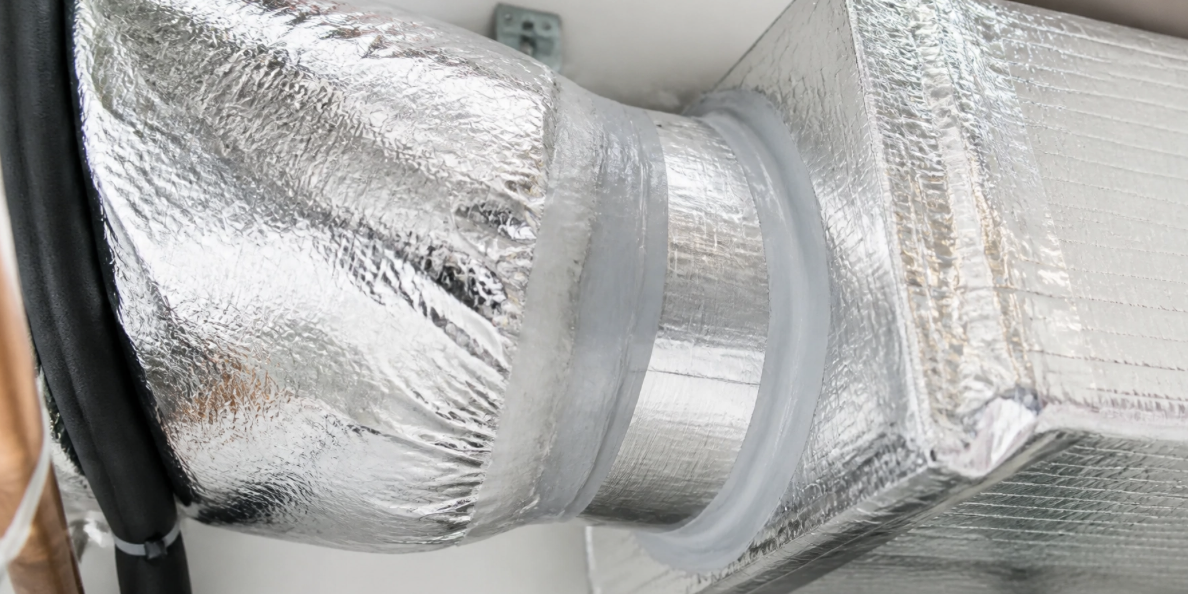
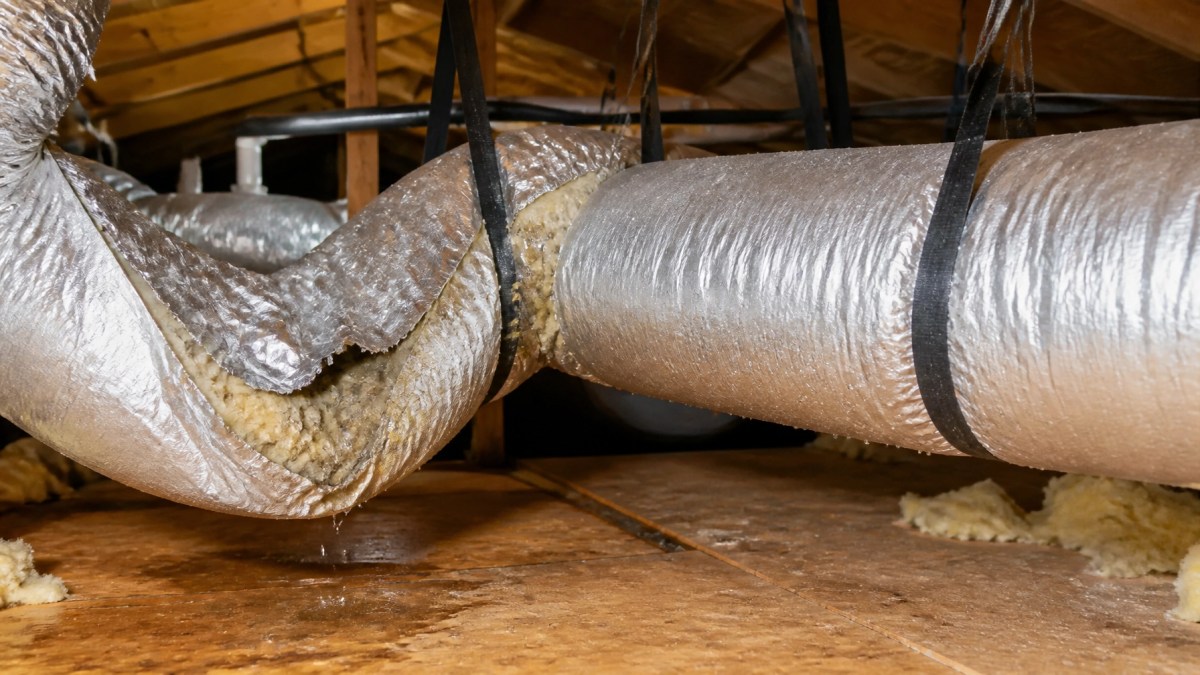
Air duct repair addresses leaking joints, separated connections, crushed flexible duct, damaged insulation, and other issues that prevent conditioned air from reaching its intended destination.
2. Proven Fact: Duct Leaks Can Add Hundreds to Your Annual Energy Bill
Leaky ducts create an efficiency problem that becomes expensive during Florida’s long cooling season. When cooled air escapes, your AC system must operate for more time to satisfy the thermostat.
If your system loses 20% of its conditioned air, then it must work significantly harder to maintain the same indoor temperature. Over several months, that extra runtime may add approximately $200–$600 to annual energy costs, depending on your utility rates, home size, thermostat settings, and the severity of the leaks.
The savings from air duct repair will not be identical for every homeowner. However, sealing substantial leaks can reduce unnecessary runtime and help your system use energy more effectively.
For additional energy-efficiency guidance, review the University of Florida IFAS information on duct systems and energy loss. This is a relevant, independent resource for Florida homeowners, and the link is provided as a standard dofollow reference.
3. Essential Fact: Leaky Ducts Can Increase Indoor Humidity
Southwest Florida’s heat and humidity create conditions that make duct leaks more than an energy concern. They can also affect how your home feels and how well your AC controls moisture.
Return-side leaks can pull hot, humid air from an attic, garage, or other unconditioned space into the system. Supply-side leaks can allow cooled air to escape while leaving rooms warmer and more humid than expected.
If indoor humidity rises, then your home may feel sticky even when the thermostat displays a comfortable temperature. Persistent moisture can also contribute to musty odors, dust accumulation, and an environment where mold growth becomes more likely.
Professional air duct repair helps limit the amount of unconditioned air entering or escaping from the duct system. It is one part of a broader indoor air quality strategy that may also include proper filtration, drain-line maintenance, and regular AC service.

4. Smart Fact: Duct Problems Can Strain Your Air Conditioner
Your AC system is designed to move a specific amount of air through a properly sized and connected duct network. When ducts leak, collapse, disconnect, or become restricted, the system may not operate as intended.
Common consequences include:
- Longer cooling cycles
- Short cycling or repeated starts and stops
- Uneven temperatures between rooms
- Weak airflow from certain vents
- Frozen evaporator coils
- Premature wear on the blower motor
- Higher repair and replacement costs
If your system runs continuously but your home still feels warm, then the problem may not be the outdoor unit alone. Ductwork should be inspected before you assume that a complete AC replacement is necessary.
A thorough air duct repair evaluation can help identify whether the issue is a leak, airflow restriction, insulation failure, equipment problem, or combination of factors.
5. Proven Fact: Dust and Allergens Can Enter Through Return Leaks
A properly sealed return system should draw indoor air through the intended filter and return grille. However, gaps in return ductwork can pull air from dusty attics, garages, wall cavities, or other areas that are not part of your home’s clean air pathway.
That air may carry dust, insulation fibers, pollen, and other particles into the HVAC system. In a coastal and humid area, moisture can make these contaminants more difficult to manage.
If you notice excessive dust shortly after cleaning, then ask whether return duct leakage could be contributing to the problem. Air duct repair may help reduce unwanted infiltration, although it should be combined with routine filter changes and professional cleaning when necessary.
Brisk Air Conditioning also provides residential AC services throughout Southwest Florida to help homeowners address connected comfort and air-quality concerns.
6. Important Fact: Duct Tape Is Usually Not a Permanent Repair
Despite its name, ordinary cloth-backed duct tape is not the preferred long-term solution for HVAC duct leaks. Heat, humidity, and time can cause the adhesive to dry out or lose its grip.
Professional technicians generally use appropriate materials, such as:
- Mastic sealant for joints, seams, and irregular surfaces
- UL-listed foil tape for compatible smooth connections
- Mechanical fasteners to secure flexible duct sections
- Insulation repair or replacement where heat transfer is a concern
- Replacement duct sections when materials are crushed, torn, or deteriorated
Proper air duct repair is more than covering a visible gap. The technician should inspect the full system, determine where air is escaping, and use methods suited to the location and material.
Pro Tip: If a repair is made in an attic, ask whether the connection is mechanically secured and sealed with a product designed for HVAC use. A quick patch may not survive another hot, humid Florida season.
7. Smart Fact: Professional Air Duct Repair Can Improve Comfort Before Cooler Weather
September is a practical time to schedule an inspection. Seasonal homeowners are returning, cooling demands remain high, and the HVAC system has already experienced months of heavy use.
If you schedule air duct repair before the next extended cooling period, then you may improve airflow and reduce the chance of carrying an unresolved problem into the next season. You may also discover related issues, such as deteriorated insulation, disconnected ducts, or restricted returns.
A professional evaluation should include:
- Visual inspection of accessible ductwork
- Examination of joints, seams, and transitions
- Review of insulation condition
- Assessment of airflow complaints
- Inspection of attic or garage duct runs
- Recommendations for sealing, repair, or replacement

What Does Professional Air Duct Repair Involve?
A reliable air duct repair process begins with diagnosis rather than guesswork. Your technician should first discuss symptoms such as uneven cooling, high bills, dust, humidity, or unusual airflow.
Next, the duct system is inspected for visible damage and poor connections. Accessible leaks may be sealed, while severely damaged or crushed sections may require replacement. In unconditioned areas, insulation should also be evaluated because even a sealed duct can lose efficiency when it is poorly insulated.
Brisk Air Conditioning serves homeowners and businesses throughout Venice, Sarasota County, North Port, Lakewood Ranch, and Port Charlotte. The company is licensed and insured, BBB accredited, and committed to honest recommendations, fair pricing, and fixing problems correctly the first time.
For seasonal homeowners who may not be present during service, clear communication matters. Brisk Air Conditioning can help you understand what was found, what needs attention, and which repairs are most important.
Frequently Asked Questions About Air Duct Repair
Are leaky ducts really bad for an AC system?
Yes. Leaks can waste cooled air, increase runtime, raise energy costs, and allow hot or humid air into the system.
How much can air duct repair save?
Savings depend on the home and the amount of leakage. Significant repairs may help reduce cooling waste by hundreds of dollars annually, with some homeowners potentially saving $200–$600 per year.
Can I repair my own duct leaks?
You may be able to address a small accessible gap temporarily, but professional inspection is recommended for attic ductwork, return leaks, damaged insulation, or disconnected sections.
Should ducts be cleaned or repaired first?
If ductwork is leaking, damaged, or disconnected, repair should generally be addressed before cleaning. Otherwise, dust and unconditioned air may continue entering the system.
Schedule an Informed Air Duct Repair Evaluation
Leaky ducts are not just a minor inconvenience. They can waste energy, increase humidity, reduce comfort, and place unnecessary stress on your AC system.
If you are preparing your Venice-area home for the fall season, contact Brisk Air Conditioning for professional air duct repair and HVAC guidance. Call 941-275-6258 or visit 1435 E Venice Ave #104, Venice, FL 34292. You can also contact Brisk Air Conditioning online to schedule service.
The smart choice is to identify duct problems before they become higher energy bills or major equipment repairs.